
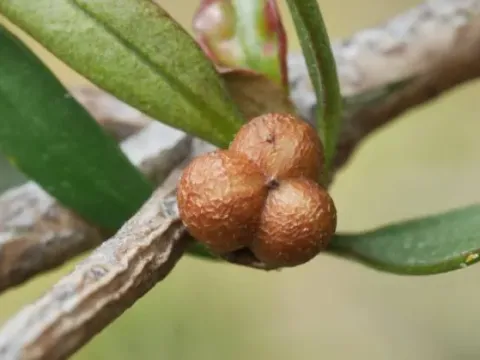
Discaria toumatou
Discaria tomatou
Discaria toumatou, commonly known as Matagouri, is best propagated by seeds collected from mature plants. The seeds often require cold stratification to break dormancy.
What the section contains
Discaria toumatou
Sowing should take place in well-drained, sandy compost. Consistent moisture is necessary during the germination phase, but over-watering must be avoided at all costs.
Propagation via cuttings is also possible but requires specialized care to ensure that the semi-hardwood cuttings develop a robust root system before transplanting.
Young plants should be kept in protected nursery environments for at least one full growing season before being moved to their final outdoor location.
During the early stages of development, ensure the soil remains light and airy, as young roots of this species are highly sensitive to soil compaction and lack of oxygen.
Discaria toumatou belongs to the Rhamnaceae family and is native to New Zealand, where it grows in harsh, open, and windy environments. It prefers full sun exposure.
The soil should be poor, gritty, and gravelly. This plant thrives in sites where other species struggle due to nutrient deficiency or high drainage requirements.
It is remarkably drought-tolerant once established, thanks to its deep taproot, which allows it to access water resources in deep, rocky substrates.
The shrub is wind-resistant, making it an excellent candidate for coastal landscaping or exposed hillsides where protection against severe weather is required.
While hardy, it does not tolerate humid, tropical climates with high rainfall, as the combination of heat and excessive moisture leads to physiological stress.
The primary threats to this plant involve fungal pathogens, such as root rot, which typically occur when the soil remains waterlogged for extended periods.
Powdery mildew can affect the foliage during humid spring days. Proper spacing between plants is essential to ensure good air circulation and prevent infection.
Insects like aphids and scale may occasionally infest tender shoot tips. These are best managed through early detection and biological control methods rather than harsh chemicals.
Deer and livestock generally avoid the plant due to its formidable thorns, yet young, unprotected seedlings may still be vulnerable to browsing before they develop hard spines.
Monitoring the health of the base of the stem is crucial for early signs of disease, ensuring that the plant maintains its structural integrity throughout the season.
Discaria toumatou is widely recognized for its utility in creating natural, impenetrable fences, serving as an effective barrier against livestock and unwanted entry.
In conservation efforts, this species is used for erosion control on degraded lands and mountain slopes, effectively stabilizing soil with its extensive root architecture.
The plant supports local biodiversity by providing safe nesting grounds for birds within its dense, thorny thickets, protecting them from various predators.
The aesthetic appeal of its rugged, zig-zag branch structure provides unique visual interest, especially when used in xeriscaping or rocky garden designs.
Although not a primary crop for harvest, it contributes to the ecological health of agricultural landscapes by improving soil structure and supporting pollinator populations.