
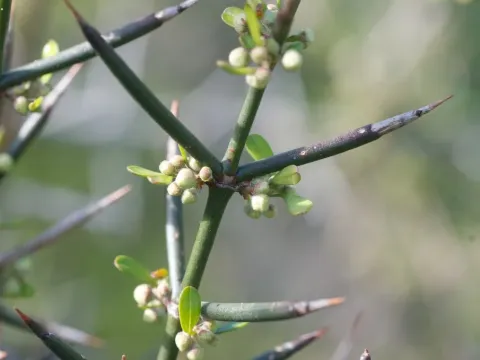
Discaria
Discaria
Propagation of Discaria is typically achieved through seeds or stem cuttings. Sowing seeds in a specialized substrate during early spring is recommended, ensuring a stratification period to enhance germination rates.
What the section contains
Discaria
When sowing directly into the open field, it is crucial to select sites sheltered from strong winds, as young seedlings are sensitive to mechanical stress and temperature fluctuations.
Cuttings are best taken during the summer months, utilizing semi-hardwood shoots of the current year. Sandy mixes enriched with peat provide the ideal rooting medium.
The optimal temperature range for seed germination and seedling development is between +18 and +22 degrees Celsius. Maintaining adequate but not excessive soil moisture is essential during this stage.
Transplanting to the permanent location should be planned for the spring season, allowing the root system to establish itself thoroughly before the onset of winter dormancy.
Discaria is a genus belonging to the Rhamnaceae family, characterized by its significant drought tolerance. As a light-loving plant, it requires full sun exposure to thrive and maintain its structural integrity.
The plant is not highly demanding regarding soil composition, though it prefers well-drained sandy or loamy soils with a neutral or slightly alkaline pH balance.
Discaria adapts well to temperate climatic zones and is often valued for its resilience in varied environmental conditions, provided that the soil is not waterlogged.
During the active growth phase, moderate watering is necessary. However, strict avoidance of water stagnation is required to prevent root rot and other moisture-related pathologies.
The primary agricultural and landscape use of Discaria involves the creation of impenetrable natural hedges due to its thorny nature, as well as slope stabilization in landscape design.
The primary threats to Discaria are fungal infections, which generally develop under conditions of high humidity, poor air circulation, or soil saturation.
Insect pests, particularly aphids and spider mites, pose the most significant risk, especially during periods of dry, hot weather when the plant is under abiotic stress.
Preventative measures include regular sanitary pruning to remove damaged branches and ensuring proper spacing between individual plants to promote airflow.
The application of copper-based fungicides is an effective strategy for controlling fungal outbreaks at the first sign of infection symptoms.
Regular field scouting and monitoring are essential for early detection of pest populations, which helps in preventing large-scale infestations across the plantation.