
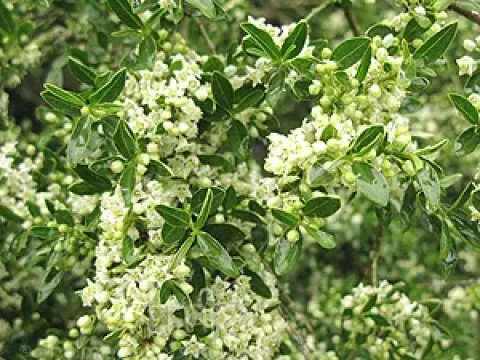
Discaria discolor
Discaria discolor
Discaria discolor is a perennial shrub belonging to the Rhamnaceae family. It is native to South American regions, including Argentina and Chile, where it thrives in diverse climates ranging from temperate mountain slopes to arid plains.
What the section contains
Discaria discolor
As a true xerophyte, this plant is well-adapted to environments with limited water availability. Its success in cultivation depends heavily on soil drainage; it requires sandy, rocky, or gravelly substrates that prevent water stagnation.
Botanically, the species is distinguished by its rigid, spine-like modified branches. These structures provide excellent protection against herbivores and play a crucial role in reducing water loss through transpiration, making the plant highly resilient.
The culture requires full sun exposure to maintain its structural integrity and vitality. It is well-suited for regions with distinct seasonal changes, although it typically requires protection from extreme, prolonged freezing temperatures in northern latitudes.
Proper establishment involves minimal fertilization, as the plant is adapted to nutrient-poor soils. Excessive nitrogen can lead to rapid, weak growth, making the shrub more susceptible to breakage and external stress factors.
The primary concern for Discaria discolor in agricultural settings is the development of root rots triggered by high moisture and poor soil aeration. Maintaining a rigorous drainage program is essential for plant health.
Pests such as aphids and spider mites can occasionally affect the foliage, particularly during dry seasons. These pests weaken the plant by extracting sap from young shoots, which can hinder the annual development of the shrub.
Fungal diseases like powdery mildew may arise if the plant is kept in conditions with poor airflow and high humidity. Ensuring proper spacing between plants is a fundamental strategy for preventing the spread of such pathogens.
Bacterial cankers can infect the woody stems if the plant is subjected to severe mechanical injury or poor pruning practices. Using disinfected tools for any maintenance work is a standard requirement for disease management.
Regular monitoring for boring insects is advised, as they can cause significant damage to the plant's vascular system. Integrated pest management strategies are recommended to keep the shrub productive and healthy for many years.