
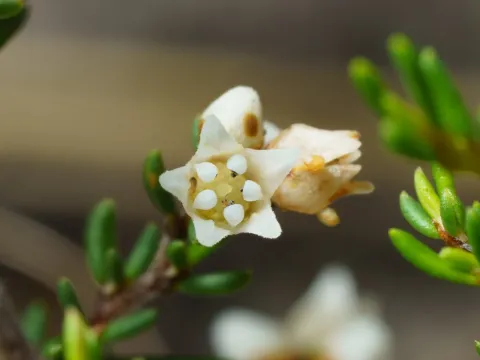
Cryptandra
Cryptandra
Cryptandra is a genus of evergreen shrubs belonging to the Rhamnaceae family. These plants are primarily native to Australia, where they have evolved to thrive in diverse and often harsh environmental conditions.
What the section contains

Cryptandra
Successful cultivation of Cryptandra requires well-drained, sandy or gravelly soil. These plants are highly susceptible to root diseases if placed in heavy, waterlogged soils, making drainage the most critical factor for their survival.
Regarding climate, the genus is well-adapted to sunny and arid environments. They require full sunlight to produce dense foliage and an abundance of small, characteristic flowers, which often range from white to cream or pinkish hues.
In terms of agricultural management, Cryptandra requires minimal intervention. They are adapted to nutrient-poor soils and generally do not require heavy fertilization, as an excess of nutrients can lead to stunted flowering or an unbalanced growth habit.
The primary use of this crop is in ornamental horticulture and xeriscaping. Due to their compact nature and drought tolerance, they are excellent for stabilizing slopes, creating low-maintenance borders, or acting as decorative ground cover in rock gardens.
The most significant threats to Cryptandra health include fungal pathogens, particularly those causing root and crown rot. These issues are almost exclusively associated with improper watering practices and poor soil drainage.
Pest management should focus on monitoring for common shrub pests such as scale insects and spider mites. These pests tend to congregate on the underside of leaves or within dense foliage, making them difficult to spot early.
Cultural control, such as ensuring adequate airflow around the plant canopy, is the most effective way to prevent fungal outbreaks. Avoiding overhead irrigation helps keep the foliage dry and reduces the risk of leaf spot diseases.
If chemical intervention becomes necessary, integrated pest management practices should be followed. Spot-treating affected areas is preferred to preserve the overall biological health of the surrounding garden environment.
Regular sanitation, which includes removing dead or dying branches, prevents the accumulation of organic matter that can serve as a host for potential pathogens or pest infestations throughout the growing season.