
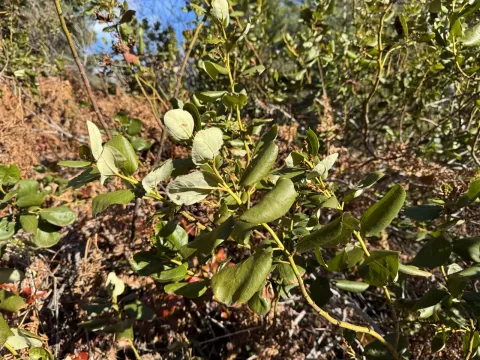
Snowbrush Ceanothus
Ceanothus velutinus
Snowbrush Ceanothus, scientifically known as Ceanothus velutinus, is a hardy evergreen shrub belonging to the Rhamnaceae family. It is widely recognized for its ecological importance as a nitrogen-fixing plant in North American ecosystems.
What the section contains
Snowbrush Ceanothus
The species thrives in a variety of conditions, from open slopes to forest clearings. It is particularly valued for its ability to colonize nutrient-poor soils, which contributes significantly to soil stabilization and long-term land restoration.
The primary agronomic requirement for this plant is exceptional soil drainage. It cannot tolerate waterlogged conditions, which are the leading cause of root-related complications in field or landscape settings.
Full sun exposure is highly recommended to encourage dense growth and prolific flowering. While it is remarkably drought-tolerant once established, supplemental irrigation may be necessary during the first year of growth in extreme heat.
This shrub requires very little fertilization because of its symbiotic relationship with nitrogen-fixing bacteria. Excess nitrogen fertilization can actually cause the plant to become "lazy" and susceptible to weaker structural growth.
Phytophthora root rot is the most serious threat to Ceanothus velutinus. This pathogen thrives in moist soils and can be fatal to mature shrubs, making drainage management the top priority for any grower.
Sap-sucking insects, such as aphids and scale, are common pests that may reduce plant vigor. In a controlled environment, these should be monitored to prevent the spread of sooty mold on the foliage.
Powdery mildew may occur during seasons with high humidity and poor ventilation. Pruning should be focused on removing dead or crowded branches to promote air circulation throughout the shrub canopy.
In certain regions, deer and other herbivores may browse on the foliage during winter months. Physical barriers or repellents might be required to protect young plants until they reach maturity.
To ensure long-term health, growers must avoid cultivating the soil deeply near the root zone, as the plant has a sensitive lateral root system. Maintaining a layer of organic mulch can help regulate soil temperature and retain moisture without inducing rot.