
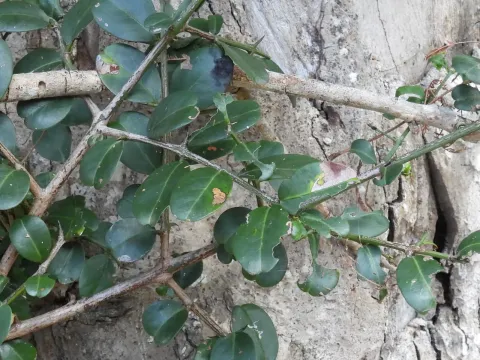
Scutia
Scutia
The genus Scutia is a member of the Rhamnaceae family. These plants are typically woody shrubs or small trees, frequently characterized by sharp, rigid thorns that serve as a defense mechanism against herbivores.
What the section contains


Scutia
Originating from diverse tropical and subtropical regions across Africa, Asia, Australia, and South America, Scutia species are well-adapted to varied climatic conditions ranging from dry shrublands to more humid forest environments.
Climatic requirements for successful cultivation include exposure to warm temperatures and ample sunlight. These plants do not tolerate severe frost, making them sensitive in temperate regions unless grown in controlled greenhouses.
Regarding soil conditions, Scutia requires a well-draining substrate to prevent root rot. They thrive in fertile, slightly acidic to neutral soils that provide sufficient nutrients for steady vegetative growth throughout the season.
In terms of хозяйственного usage, Scutia is often valued for its utility in creating impenetrable natural fencing due to its dense, thorny growth habit. Additionally, specific species have traditional uses in local herbal medicine and botanical research.
The primary diseases affecting Scutia species are generally fungal in nature, often triggered by poor ventilation or excessive humidity. Conditions such as powdery mildew can compromise leaf health and reduce photosynthetic efficiency.
Common pests include scale insects and aphids, which tend to infest the soft tissues of new shoots. These pests can weaken the plant, making it more susceptible to opportunistic secondary infections if left untreated.
Root rot remains the most significant threat to the survival of these plants. It is almost exclusively caused by overwatering or soil compaction that inhibits oxygen access to the root zone.
Effective pest management involves integrated practices such as canopy thinning to increase airflow, and the application of horticultural soaps or systemic pesticides during active growth stages.
Maintaining plant vigor through balanced nutrition and proper sanitation of pruning tools is essential to prevent the spread of pathogens throughout the cultivation site.