
Sibthorp buckthorn
Rhamnus sibthorpiana
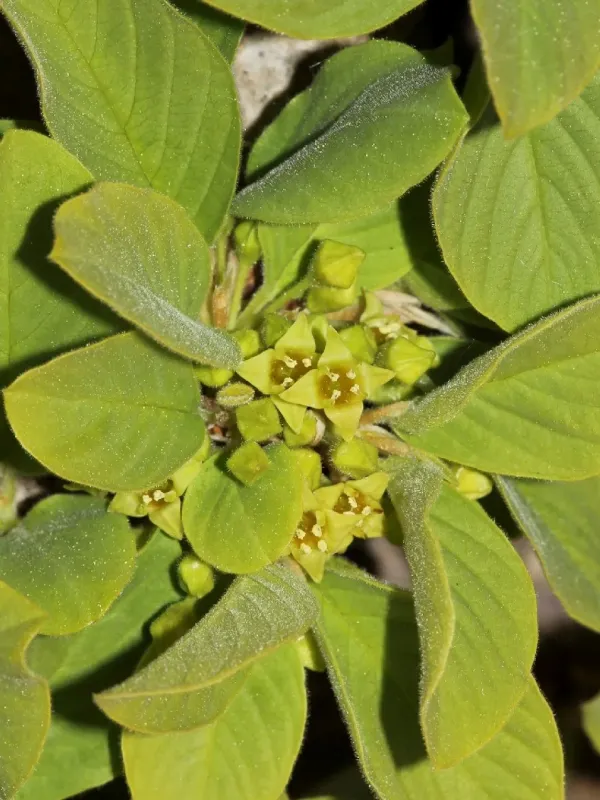
Description
Growing requirements
Sibthorp buckthorn (Rhamnus sibthorpiana) is a distinct species within the Rhamnaceae family, known for its resilience and specific environmental adaptations. Native to the southeastern regions of Europe and Asia Minor, this shrub thrives in moderate climates where sunlight exposure is optimal for its development.
The culture requires well-drained soils to maintain healthy root system development. It is particularly sensitive to waterlogging, so choosing a site with proper drainage is essential for preventing root-related physiological stresses during periods of high rainfall.
Botanically, the species is identified by its durable foliage and specific flowering patterns that define its growth cycle. It is a perennial plant that, once established, demonstrates significant tolerance to varying soil pH levels, although neutral or slightly alkaline conditions are generally preferred.
Standard agrotechnical practices for this shrub involve scheduled pruning to maintain structural integrity and improve airflow. This practice is vital not only for its appearance in landscaping but also to ensure that the internal parts of the plant receive enough light and air circulation.
Regarding its хозяйственное use, the plant is often utilized in environmental restoration projects due to its ability to stabilize soil and its potential value in medicinal research. The species serves as a robust component of biodiversity in its native geographical range.
Main diseases and pests
The primary health threats to Sibthorp buckthorn involve fungal infections such as leaf rust and powdery mildew. These diseases are triggered by stagnant humidity within the canopy, making plant spacing and pruning the first line of defense for a healthy cultivation.
Insect pests, including aphids and scale insects, frequently target the young succulent tissues of the plant. If left untreated, these infestations can severely inhibit plant growth and increase the susceptibility of the shrub to secondary infections or environmental stress.
Integrated pest management strategies are recommended to keep the population of harmful insects under control. This includes the application of targeted insecticides and, where possible, biological control agents that promote an eco-friendly farming environment.
It is important to conduct periodic field inspections to detect early signs of stress, such as yellowing leaves or stunted growth. Identifying the root cause of these symptoms promptly allows for rapid intervention before the entire shrub is compromised.
Finally, winter preparation is a key aspect of protecting the culture from severe frost damage. Proper mulching around the root zone helps maintain soil temperature stability and protects the plant from the drying effects of harsh winter winds.