
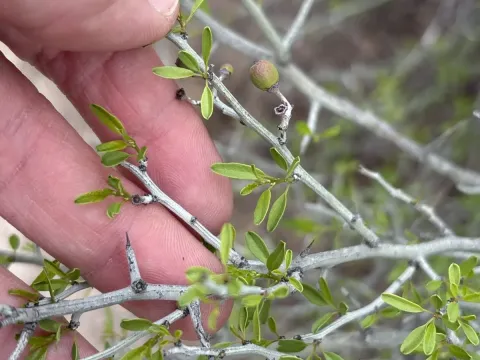
Sarcomphalus
Sarcomphalus
Sarcomphalus is a genus of woody plants belonging to the Rhamnaceae family. Previously associated with the Ziziphus genus, these plants are now recognized as a distinct group due to specific morphological differences in their floral and fruit structures.
What the section contains


Sarcomphalus
The native distribution of this genus is focused primarily in tropical and subtropical regions of the Americas, specifically throughout the Caribbean basin and parts of Mexico. These plants typically inhabit dry forests and thrive in limestone-rich soils, showing significant adaptation to harsh ecological niches.
Botanically, Sarcomphalus species are defined as evergreen trees or shrubs, often possessing hard wood and occasionally thorny branches. Their leaves are leathery, which aids in transpiration control, and their small, inconspicuous flowers are grouped to maximize pollination success.
Regarding cultivation requirements, the plant demands high levels of solar radiation and well-drained soil conditions. Waterlogging is the most critical threat to root health, making the choice of location and soil texture the most vital factors for successful establishment.
The economic utility of the genus is largely based on its high-density timber, which is valued for carpentry and construction. While some species produce edible fruits, their role as a large-scale agricultural crop is generally secondary to their value as ornamental or forestry resources.
Fungal infections of the root system constitute the primary biological threat to Sarcomphalus, often exacerbated by poor field drainage. Consistent monitoring of soil moisture levels is necessary to prevent these conditions and ensure the long-term viability of the plantation.
In terms of insect pests, the plants may be susceptible to scale insects and wood-boring beetles. Integrated pest management strategies are recommended, focusing on maintaining tree health and applying targeted interventions only when necessary to preserve local biodiversity.