
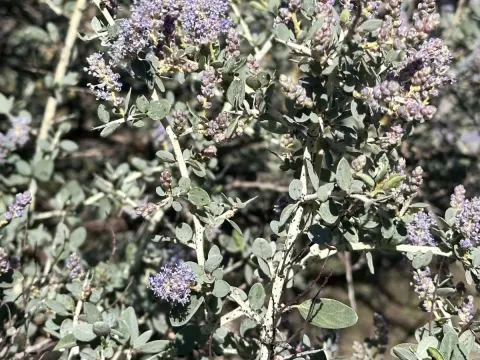
Whitebark ceanothus
Ceanothus leucodermis
Whitebark ceanothus (Ceanothus leucodermis) is a distinctive evergreen shrub within the Rhamnaceae family. Native to the mountainous regions of California and parts of Mexico, this species has evolved to thrive in harsh, nutrient-poor, and dry environments.
What the section contains
Whitebark ceanothus
The core requirement for successful cultivation is excellent soil drainage. The plant is highly susceptible to root diseases if grown in heavy or waterlogged soil. It is best suited to rocky, sandy, or gravelly soils that mirror its natural mountainous habitat, ideally with a neutral to slightly acidic pH level.
This species requires full sun exposure to maintain its structural integrity and encourage vigorous flowering. In shaded conditions, the plant tends to become spindly and is significantly more prone to fungal attacks, as the inner branches fail to dry out sufficiently between rain events.
Agronomic management focuses on minimal irrigation once the plant is established. It is a highly drought-tolerant shrub, making it a perfect candidate for xeriscaping and low-maintenance landscaping. Over-watering is the most common mistake made by inexperienced growers.
Beyond its ornamental appeal, whitebark ceanothus is highly valued as a nectar source for pollinators. Its deep and extensive root system also makes it an excellent choice for stabilizing embankments and preventing soil erosion in arid or semi-arid regions.
The primary threats to Ceanothus leucodermis are soil-borne pathogens, specifically Phytophthora species. These fungi thrive in moist, stagnant conditions, often leading to rapid decline and death of the plant if drainage protocols are not strictly followed.
Pests, particularly aphids, can target new shoots during the spring growth phase. While generally not fatal, severe infestations can reduce the plant's vigor and cause aesthetic damage to the leaves and developing flower buds.
Air circulation is vital for disease prevention. Planting density should be carefully calculated to ensure that foliage dries quickly after rainfall, which significantly reduces the risk of powdery mildew and other fungal issues common in dense shrubberies.
Routine pruning serves as a dual-purpose strategy: it encourages a bushier growth habit and removes potential vectors for disease. Growers should sanitize tools after each cut to prevent the accidental transfer of pathogens between specimens.
Monitoring for scale insects is also recommended, especially in warmer climates where these pests can quickly colonize branches and cause localized dieback. Early detection and targeted treatment are the keys to maintaining long-term plantation health.