
Spyridium
Spyridium Fenzl
Spyridium is a genus of evergreen shrubs belonging to the Rhamnaceae family. Native primarily to Australia, these plants are known for their resilience and ability to thrive in diverse environmental niches.
What the section contains

Spyridium
The cultural requirements for Spyridium include well-drained, sandy, or loamy soil. It is well-adapted to nutrient-poor soils, making it an excellent candidate for low-maintenance landscapes where soil fertility is limited.
Optimal growth conditions involve exposure to full sunlight or partial shade. While they are drought-tolerant once established, young plants require regular monitoring to ensure they do not undergo extreme water stress.
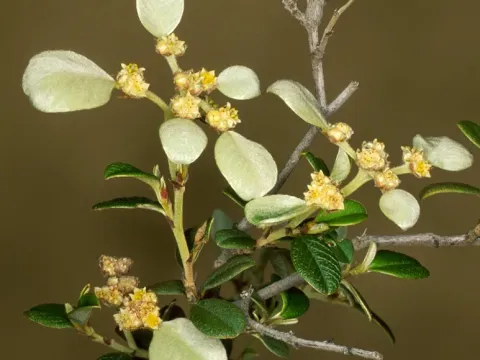
Botanically, Spyridium is recognized by its small, often textured leaves and clusters of flowers surrounded by prominent bracts. This visual characteristic makes it a unique addition to gardens featuring native plant collections.
The primary use of this plant is ornamental, providing structure and evergreen foliage throughout the year. It works best as a feature plant in xeriscaping or as part of a mixed shrub border.
Root rot is the most common threat to Spyridium, typically caused by poor soil drainage. Ensuring that the planting site prevents water accumulation is the primary defense strategy against this disease.
Pests such as scale insects and aphids can occasionally infest the foliage. Integrated pest management, focusing on early detection and physical removal or organic soaps, is recommended for effective control.
Sensitivity to high-phosphorus fertilizers is a known physiological issue for many Australian native plants. Using specialized low-phosphorus feeds is essential to avoid toxicity and root damage.
Fungal infections can develop if the plant is situated in an area with poor airflow. Maintaining proper spacing between plants helps to reduce humidity levels around the foliage, minimizing infection risk.
Regular pruning is not only beneficial for shape but also prevents the accumulation of dead plant matter, which can harbor pests or fungal spores. Pruning should be performed after the flowering season concludes.