
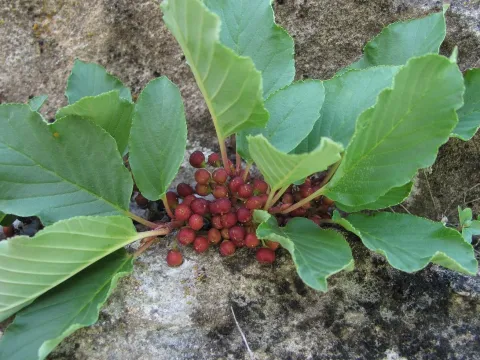
Small-fruited buckthorn
Rhamnus microcarpa
Small-fruited buckthorn (Rhamnus microcarpa) is a perennial shrub belonging to the Rhamnaceae family. It is recognized for its dense habit and high adaptability to diverse ecological conditions, often used in both ornamental and functional plantings.
What the section contains
Small-fruited buckthorn
The plant originates from mountainous terrains, which dictates its preference for well-aerated soils and moderate climatic conditions. It exhibits significant resilience against cold stress, allowing it to survive harsh winters in temperate regions.
For optimal development, the shrub requires fertile, well-drained loamy soil with a neutral pH balance. It does not tolerate waterlogging, which can lead to physiological disorders and fungal infections in the root system.
The species is light-demanding and should be planted in areas with maximum sun exposure to support healthy foliage and proper fruiting. Adequate light is essential for the maturity of the wood before the winter season.
Maintenance involves routine pruning to remove dead or diseased branches and maintain the desired shape. Mulching the base of the plant helps retain moisture while simultaneously suppressing weed growth around the root zone.
Typical threats include fungal infections such as powdery mildew, which thrive in humid and poorly ventilated conditions, often appearing in the mid-summer months.
Pest pressure is frequently caused by aphids and spider mites. These insects feed on sap and can significantly weaken the plant if left untreated over long periods.
Integrated pest management, involving both chemical controls and the encouragement of natural predators, is recommended to keep pest populations below the economic injury level.
Regular sanitation of the growing area, including the removal of fallen leaves and infected plant parts, is a primary step in preventing the overwintering of pathogens.
Ensuring proper air circulation through timely pruning and strategic spacing is essential to reduce the risk of secondary infections and pest colonization.