
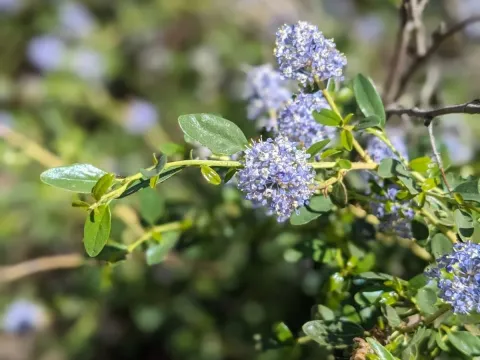
Small-leaf ceanothus
Ceanothus parvifolius
Ceanothus parvifolius, commonly known as the small-leaf ceanothus, is an evergreen shrub belonging to the Rhamnaceae family. It is native to the mountain ranges of California, where it thrives in well-drained, rocky soils.
What the section contains
Small-leaf ceanothus
This shrub requires full sun exposure to flourish. Placing the plant in a shaded area will result in leggy growth and minimal flowering, significantly reducing its ornamental value in the landscape.
Soil requirements are strict regarding drainage. It prefers light, sandy, or loamy soils with a slightly acidic to neutral pH. It is essential to ensure that the site does not collect water during rainy seasons to prevent root decay.
The climate must be suitable for this species, as it is not highly cold-hardy. It thrives in Mediterranean-style climates with mild, frost-free winters. In colder zones, it is often grown in containers that can be brought indoors.
Cultivation practices involve minimal fertilization and moderate watering. Pruning should be done carefully, ideally after the blooming period, to maintain the desired shape and encourage denser foliage in the following season.
The most significant threats to the small-leaf ceanothus are fungal diseases such as root rot and phytophthora. These are almost exclusively caused by overwatering or poor soil drainage, making prevention the best strategy.
Powdery mildew is a common issue during periods of high humidity and poor air circulation. Symptoms include white fungal growth on leaves, which can lead to premature leaf drop if left untreated.
Pests such as scale insects and spider mites are frequent invaders. They feed on the sap of the plant, weakening the stems and causing yellowing or distorted foliage throughout the canopy.
Management involves using targeted horticultural oils or systemic insecticides to control infestations. Monitoring the plant consistently is crucial for early detection of pest clusters.
To ensure long-term health, gardeners should avoid heavy pruning of old wood and maintain an environment that promotes airflow, which helps mitigate the risk of both fungal outbreaks and insect colonization.