
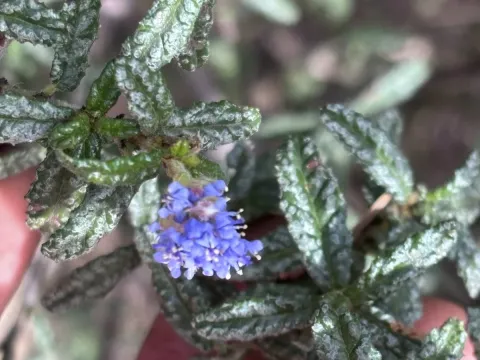
Ceanothus papillosus
Ceanothus papillosus
Ceanothus papillosus, commonly known as the wart-leaved ceanothus, is a member of the Rhamnaceae family. It is a dense, evergreen shrub native to the coastal ranges of California, valued for its striking dark blue flower clusters.
What the section contains
Ceanothus papillosus
The plant thrives in full sun exposure. It is well-adapted to Mediterranean climates with mild, wet winters and dry summers. It requires protection from strong, frosty winds, as it is only hardy to moderate temperatures.
Soil quality is paramount for the health of Ceanothus papillosus. It strictly requires well-draining, slightly acidic to neutral soil. Poor drainage is the leading cause of plant failure, leading to root asphyxiation.
Regular maintenance includes light pruning after flowering to promote denser growth and better shape. Avoid cutting into thick, old wood, as this species does not regrow foliage readily from mature stems.
Watering requirements are specific: during the establishment phase, plants need regular moisture, but once mature, they are quite drought-tolerant. Excessive summer irrigation should be avoided to prevent fungal issues.
Root rot is the most serious threat to this species, primarily caused by waterlogged soil conditions. Proper site selection with an integrated drainage system is the most effective preventative measure.
Fungal diseases like powdery mildew can affect the leaves during periods of high humidity and poor air circulation. Thinning out the branches periodically helps to improve airflow within the shrub's canopy.
Insect pests such as scale insects and spider mites can colonize the plant. These pests feed on sap, often resulting in yellowing foliage, stunted growth, and a significant reduction in flower production.
Integrated pest management, including the use of horticultural oils or systemic insecticides, is recommended if a significant infestation occurs. Early detection is key to preventing major damage to the shrub.
Nutritional stress often appears as chlorosis. Providing balanced, low-phosphorus fertilizers can help maintain leaf color and general vigor throughout the growing season without forcing excessive, weak growth.