
Ceanothus hybrids
Ceanothus hybrids
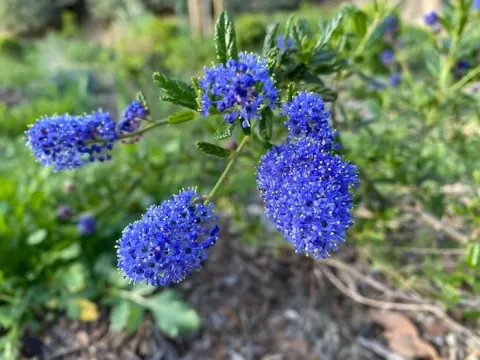
Ceanothus hybrids are ornamental shrubs belonging to the Rhamnaceae family. Originating from North American species, these hybrids are highly valued for their vibrant, mostly blue, flower clusters that attract pollinators.
What the section contains
Ceanothus hybrids
Climate requirements for this crop are strict: they thrive in Mediterranean-like climates with mild winters and warm, dry summers. In regions with severe frosts, protection is mandatory to ensure survival.
Soil drainage is the most critical factor for success. Ceanothus requires well-aerated, light, and sandy soils. Any heavy soil must be amended with gravel or organic matter to prevent water accumulation.
The plants prefer a sunny position that provides at least six to eight hours of direct light daily. Lack of sunlight results in spindly growth and poor flower production, weakening the shrub's health.
Regarding maintenance, they are relatively drought-tolerant once established. However, during the first two years after planting, regular deep watering is necessary to develop a strong and deep root system.
The primary threat to the health of Ceanothus is root rot caused by Phytophthora species. This usually occurs in soils with poor drainage or during prolonged periods of high rainfall combined with lack of ventilation.
Aphids are common pests that target the soft, new growth of the shrubs. They not only cause physical damage but also leave behind honeydew, which promotes the growth of sooty mold.
Scale insects can also infest the stems and leaves. If not managed early, these pests can significantly reduce the vigor of the plant, leading to stunted growth or branch dieback.
Integrated pest management (IPM) is recommended, focusing on maintaining plant health through proper site selection and avoiding over-fertilization, which creates succulent tissue attractive to pests.
When chemical treatment is necessary, apply appropriate pesticides during the early stages of infestation, taking care to follow the manufacturer's guidelines for environmental and plant safety.