
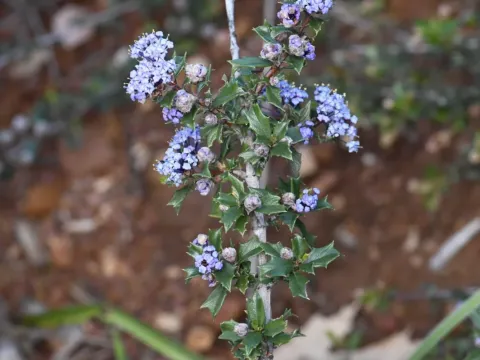
Ceanothus divergens
Ceanothus divergens
Ceanothus divergens is an evergreen shrub belonging to the Rhamnaceae family. Native to specific regions in California, this plant is characterized by its distinct aesthetic value and specific environmental adaptation requirements.
What the section contains
Ceanothus divergens
The culture thrives in well-drained, rocky, or sandy soils. It is highly intolerant of waterlogged soil conditions, which can lead to rapid root decay. Proper soil structure is the most critical factor for successful cultivation.
The plant requires full sun exposure and protection from harsh, drying winds. It is well-adapted to Mediterranean-type climates, meaning it prefers mild, wet winters and dry summers, lacking tolerance for severe frost.
Agronomic management involves minimal fertilization, as excessive nutrients can negatively impact the plant's health and structural integrity. Regular pruning after flowering is recommended to maintain a compact shape and encourage denser growth.
In terms of хозяйственное use, it is primarily used in ornamental gardening and xeriscaping. Its striking blue to white blossoms make it a preferred choice for landscape designers working in appropriate climate zones.
Root rot, primarily caused by Phytophthora species, is the most significant threat to Ceanothus divergens. Excessive soil moisture is the primary catalyst for these pathogenic infections.
Powdery mildew can affect the foliage if there is poor air circulation or high humidity levels. This fungus usually appears as a white coating on the leaves and requires fungicide intervention or improved pruning for air movement.
Aphids and scale insects are the most common pests, targeting the new growth of the plant. Monitoring the undersides of leaves and young stems is essential for early detection of these populations.
Spider mites may become a problem during periods of extreme heat and drought. These pests cause discoloration of the foliage and can lead to early leaf drop if infestations are not controlled.
Maintaining a healthy, well-aerated root zone is the best preventative measure against most diseases. By respecting the natural habitat requirements, gardeners can significantly reduce the risk of common horticultural issues.