
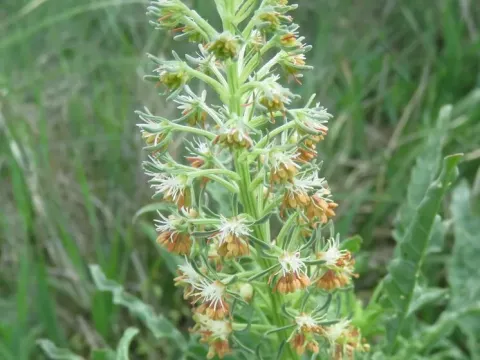
Odorless mignonette
Reseda inodora
Reseda inodora, commonly known as odorless mignonette, is a herbaceous plant belonging to the Resedaceae family. Originally from the Mediterranean basin, it thrives in stony, well-drained soils and is characterized by its deep taproot, which ensures survival in harsh, dry environments.
What the section contains
Odorless mignonette
The plant exhibits an erect growth habit, reaching heights of 50 to 80 centimeters. Its foliage is composed of narrow, lanceolate leaves, and it produces elongated racemes of small flowers that are distinct for their lack of typical mignonette fragrance.
When selecting a site for cultivation, it is essential to prioritize locations with excellent aeration and drainage. Loamy or sandy soils are preferred, as excessive moisture accumulation is the primary cause of root-related complications in this species.
Reseda inodora is highly sensitive to shade and requires full sun exposure to complete its life cycle effectively. A warm, temperate climate is ideal, with temperatures consistently above 20 degrees Celsius during the peak of the growing season.
The agricultural and medicinal value of this plant lies in its phytochemical composition. Research continues to investigate its potential applications in pharmacology, specifically focusing on the antioxidant and antimicrobial compounds found within the aerial parts of the plant.
Direct seeding in the field is the standard practice, as the species is intolerant to root disturbance associated with transplanting. Seeds should be sown in early spring once the soil temperature has stabilized at an appropriate level for germination.
Proper seedbed preparation is vital; the soil should be fine-tilled to ensure that seeds are covered with a thin layer of earth. A spacing of at least 30 centimeters between rows is recommended to allow for healthy development and easy maintenance.
The most common disease affecting odorless mignonette is powdery mildew, which often appears in conditions of high humidity and poor air circulation. Regular monitoring and maintaining appropriate spacing are effective ways to mitigate the risk of infection.
Insect pests, primarily flea beetles, can be problematic during the seedling stage. Implementing integrated pest management strategies, such as mechanical weeding and judicious irrigation, helps maintain crop vigor throughout the season.