
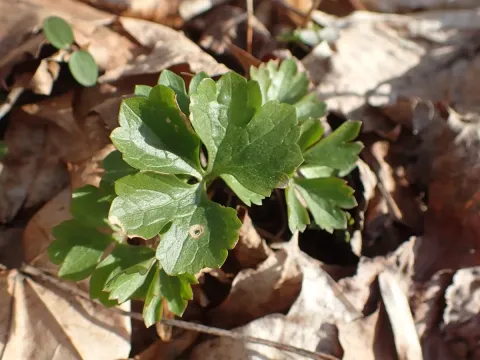
Goldilocks buttercup
Ranunculus auricomus
The Goldilocks buttercup (Ranunculus auricomus) is a herbaceous perennial belonging to the Ranunculaceae family. It is natively found in temperate woodland regions and moist meadows, where it thrives as an early spring ephemeral species.
What the section contains
Goldilocks buttercup
Cultivation of this species requires fertile, well-drained loamy soils. The plant prefers sites with a neutral to slightly acidic pH, as these conditions support optimal nutrient uptake and root development throughout the growing season.
Regarding climate, the plant is highly cold-hardy, capable of surviving harsh winters and blooming early in the spring. It requires consistent soil moisture and benefits from partial shading, which protects it from extreme summer heat.
From an agronomical perspective, maintaining the health of the plant involves avoiding soil compaction. The species performs best when the root zone is kept loose, allowing for proper gas exchange and the activity of beneficial soil microorganisms.
Botanically, the plant is identified by its distinctive leaf morphology, where basal leaves differ significantly from the cauline ones. The flowers are typically bright yellow, possessing a classic buttercup structure that attracts early pollinators.
The primary threats to the species include fungal pathogens that thrive in wet conditions. Leaf spot diseases are common when air circulation is poor, potentially leading to premature defoliation of the plant.
Insect pests, specifically various aphids and leaf-eating beetles, can cause significant damage to the foliage. Infestations are most severe during warm, humid weather, necessitating careful monitoring of the plantation.
Root rot is a critical threat that usually arises from poor drainage or excessive irrigation. Once the root system is compromised, the entire plant rapidly loses vitality and becomes prone to secondary infections.
Effective management includes regular inspection of the crop to identify early symptoms of disease. Implementing a strict sanitation protocol, such as removing infected tissue, helps to contain the spread of pathogens.
Chemical treatments should be used sparingly, prioritizing integrated pest management strategies. Using biological control agents that target specific pests can help maintain the ecological balance of the cultivated area.