
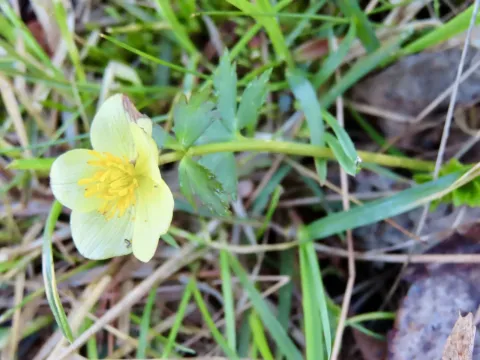
Globeflower
Trollius L.
Globeflower seeds are best sown in late autumn to benefit from natural stratification through the winter months. This process is essential for breaking the dormancy of the embryo and achieving uniform germination in the following spring.
What the section contains

Globeflower
When using a greenhouse or indoor method, seeds must be pre-chilled in a refrigerator for at least three months. This artificial stratification mimics natural conditions and significantly improves the success rate of the nursery phase.
Seeds should be sown shallowly in a moist, peat-based substrate. Covering the seed tray with plastic helps maintain the high humidity levels required by Trollius seeds during the initial stages of development.
Seedlings develop slowly, meaning they should be handled with care during the transplanting process. It is advisable to maintain a stable temperature between 15 and 18 degrees Celsius throughout the germination period.
Once the plants have formed strong root systems and several true leaves, they can be hardened off and planted in their final garden location. Proper spacing is critical to ensure enough room for mature plant development.
Trollius is a member of the Ranunculaceae family, typically found in damp meadows and woodland margins. The plant thrives in areas with partial shade and high soil moisture content, as it is naturally adapted to cool environments.
The soil should be deep, fertile, and rich in humus to support the plant’s nutrient-demanding nature. While moisture is crucial, the site must have adequate drainage to prevent waterlogging, which causes root rot.
Globeflowers prefer a slightly acidic to neutral soil pH. Incorporating well-rotted organic matter into the planting area before establishment is highly recommended for long-term growth and vigor.
This perennial is known for its high frost tolerance and durability in temperate climates. It requires minimal protection during winter, although a layer of organic mulch can protect the crown in exceptionally harsh conditions.
Regular irrigation is necessary throughout the summer, particularly during hot and dry spells. Mulching helps retain soil moisture and prevents the roots from overheating, which is vital for maintaining the plant’s health.
The most common disease affecting the globeflower is leaf spot, which is caused by fungal pathogens that flourish in stagnant, humid air. Proper spacing is essential to encourage air circulation and reduce disease pressure.
Aphids can be a significant pest, particularly in the spring when new growth emerges. They congregate on stems and buds, feeding on sap and often acting as vectors for plant viruses, which can weaken the plant.
Leaf miners are also a concern, as their larvae create tunnels within the leaves, causing unsightly damage. Regular monitoring and the removal of affected leaves can prevent major infestations in a garden setting.
Effective management includes maintaining overall plant health through balanced nutrition and avoiding overcrowding. Sanitation, such as removing dead foliage at the end of the season, significantly reduces the survival rate of pests.
Chemical control with systemic insecticides or fungicides should be applied as a last resort, strictly adhering to product instructions to avoid damaging beneficial insect populations in the garden environment.