
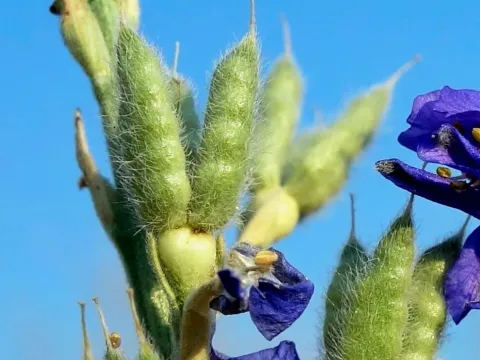
Greek delphinium
Delphinium hellenicum
Greek delphinium belongs to the Ranunculaceae family and is recognized for its unique aesthetic value in horticulture. Propagation is primarily achieved through seeds, which require specific preparation for successful germination.
What the section contains
Greek delphinium
Autumn sowing is highly recommended for this species, as it allows seeds to undergo natural stratification over the winter, resulting in more robust and vigorous seedlings in the spring.
For spring planting, seeds should be pre-chilled in a refrigerator for approximately one month. They must be sown in a light, sterile potting medium at a depth of about 0.5 to 1 cm.
Maintaining a temperature range of 15 to 18 degrees Celsius is essential for optimal germination. Consistent moisture levels must be maintained without allowing the soil to become waterlogged.
Once seedlings develop their first true leaves, they should be transplanted into individual pots. Hardening off the young plants before moving them to their permanent outdoor location is crucial for survival.
This plant thrives in sunny locations protected from strong winds, which can easily damage the tall flower spikes. Partial shade is acceptable in regions with extremely hot afternoon sun.
The soil must be fertile, well-drained, and have a neutral or slightly alkaline pH. Proper soil structure is vital, as the plant is susceptible to root rot if water accumulates around the base.
Regular watering is necessary, especially during dry spells. Irrigation should always be directed at the base of the plant to keep the foliage dry and reduce the risk of fungal infections.
Fertilization with balanced NPK fertilizers is recommended twice per season: once when the plant starts growing and again as the buds begin to form to support flower production.
Winter care is important in colder climates. Applying a thick layer of mulch around the crown of the plant helps protect the root system from freezing temperatures and sudden thaws.
Powdery mildew is a common fungal threat, particularly in humid or overcrowded conditions. Improved air circulation around the plants is an effective preventative measure against this disease.
Root rot is the most serious threat, usually caused by overwatering or poor drainage. Using high-quality substrate and ensuring adequate slope for water runoff can prevent this issue.
Slugs and snails can cause significant damage to the succulent young foliage. Gardeners often use physical barriers or organic baits to manage these pests effectively during the early season.
Aphids can infest the tips of the shoots, causing stunted growth and distorted flowers. Prompt application of insecticidal soap or systemic insecticides can control the spread of these pests.
Viral diseases can occasionally affect the plant, often transmitted by sap-sucking insects. Affected specimens should be promptly removed and disposed of to protect the health of other plants.