
Golden columbine
Aquilegia aurea
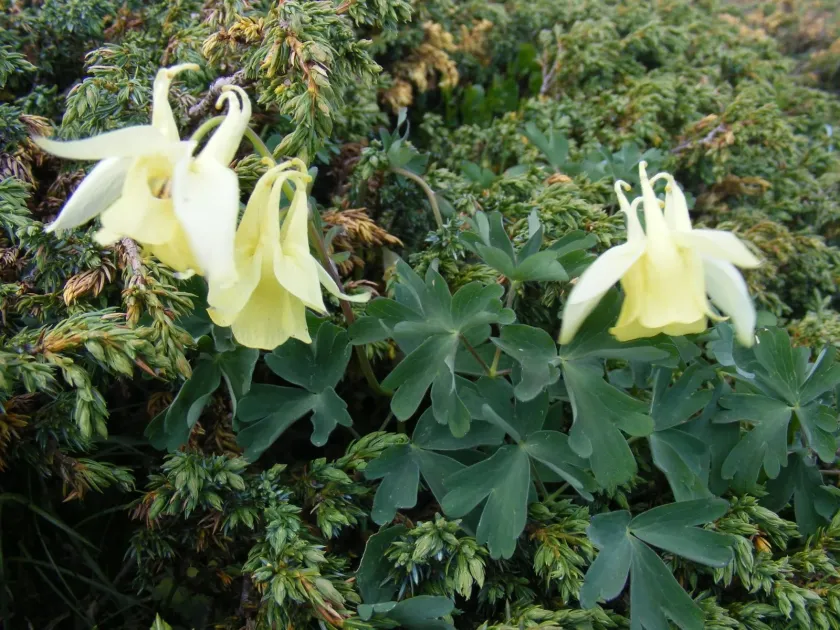
Description
Sowing dates
Golden columbine (Aquilegia aurea) is a perennial decorative plant belonging to the Ranunculaceae family. Seeds are typically sown outdoors in late autumn or in spring after a stratification period, which lasts 30 to 45 days at low temperatures.
For early greenhouse production, sowing is carried out in March using a loose, well-draining substrate enriched with sand. Seeds should be covered with only a thin layer of soil, no more than 0.5 cm, as they require light to germinate effectively.
Seed germination is often uneven, making consistent soil moisture a critical factor during the initial growth phase. The ideal temperature for germination is between +15 and +18 degrees Celsius.
Seedlings are pricked out at the stage of two true leaves and moved into individual pots or cold frames for further development. Plants are transplanted to their permanent outdoor location once a robust root system has been established.
Planting density depends on the landscape design goals, with a recommended spacing of 30–40 cm between plants to ensure proper airflow and decrease the risk of fungal infections.
Growing requirements
This crop has moderate soil fertility requirements, preferring light, loamy, or sandy soils with a neutral or slightly acidic pH. Good drainage is essential, as waterlogging is detrimental to the plant's health and can lead to root decay.
While the golden columbine loves bright light, it performs exceptionally well in partial shade, where the golden color of its flowers becomes more vivid. The plant is highly cold-hardy and survives harsh winter climates without needing protection.
The crop requires moderate but consistent watering, particularly during the peak growth and flowering seasons. During hot summer spells, mulching the root zone with peat or compost helps regulate soil temperature and moisture.
The plant responds well to organic fertilization in early spring. However, excessive nitrogen should be avoided to prevent aggressive leafy growth at the expense of flower production, as a balanced nutrient approach is key to success.
Native to the mountainous regions of the Balkan Peninsula, this species is well-adapted to temperate climates, showing high resilience against temperature fluctuations and wind exposure.
Main diseases and pests
Common pests affecting golden columbine include aphids, spider mites, and leaf miners. If left unchecked, these insects can significantly damage the plant's foliage and flower stems, leading to stunted growth.
The primary fungal diseases include powdery mildew, rust, and gray mold. These pathogens thrive in high humidity conditions and dense plantings where air circulation is restricted.
Control strategies for powdery mildew involve the use of sulfur-based fungicides or systemic chemical treatments. Early detection and treatment at the first sign of white spots on leaves are vital for successful management.
Disease prevention relies on smart irrigation practices—avoiding overhead watering to keep foliage dry—along with regular weeding and the thorough removal of dead plant material at the end of the season.
The use of biological control agents and insecticidal soaps is highly recommended to manage pest populations safely without causing ecological harm or affecting beneficial insects.