
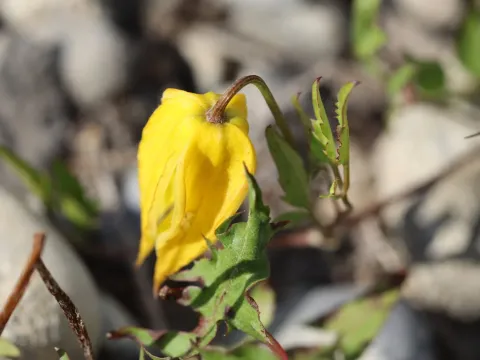
Golden clematis
Clematis tangutica
Seeds of Clematis tangutica are typically sown outdoors in late autumn or subjected to stratification for 1–2 months to break dormancy and ensure uniform germination.
What the section contains
Golden clematis
The optimal time for sowing in indoor containers is late February or early March, which allows for robust seedlings ready for transplanting by the early summer season.
When sowing in soil, seeds should be covered at a depth of approximately 1–1.5 cm, maintaining consistent moisture levels until mass germination occurs.
To improve germination rates and plant vigor, it is recommended to soak the seeds in specialized growth stimulants prior to sowing in a nutrient-rich substrate.
Seedlings are usually pricked out into individual pots once the first true leaves have developed, ensuring they are well-established before being moved to their final growing site.
Clematis tangutica, a member of the Ranunculaceae family, is a highly adaptable perennial vine known for its vigor and ability to thrive in diverse environmental conditions.
The plant performs best in full sun, though it is tolerant of partial shade, where it still produces its characteristic nodding, yellow lantern-shaped flowers.
It prefers well-drained, fertile soil with a neutral to slightly alkaline pH, demonstrating remarkable resilience against drought once the root system is established.
Structural support is essential for this species, as its rapid growth rate allows it to climb up to 3–4 meters, making it ideal for fences, pergolas, and trellises.
Due to its high cold hardiness, this clematis variety requires minimal winter protection, making it an excellent candidate for colder climates and northern regions.
The most common disease impacting golden clematis is wilt, caused by fungal pathogens that obstruct the vascular tissues and lead to sudden plant death.
Powdery mildew can occur during periods of high humidity and poor air circulation, necessitating the use of systemic fungicides during the early vegetation phase.
Pests such as aphids and spider mites are frequent invaders, feeding on tender foliage and sap, which can significantly weaken the plant if left unchecked.
Root-knot nematodes may present a challenge, particularly in poorly drained or heavy clay soils where moisture stagnation promotes their development.
Proactive maintenance, including regular sanitary pruning and the removal of infected plant material, is crucial for preserving plant health and minimizing outbreaks.