
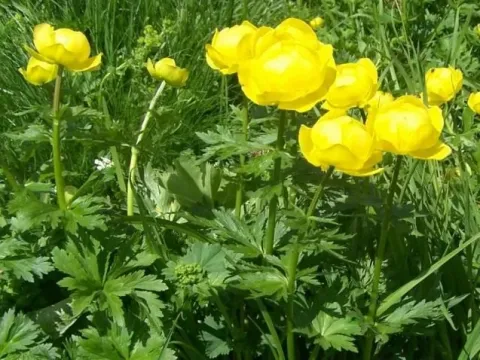
Globeflower
Trollius cultorum
Seeds of the Globeflower (Trollius cultorum) should be sown in the autumn, as they require a long period of cold stratification to break dormancy and ensure high germination rates in the spring.
What the section contains
Globeflower
If spring sowing is preferred, the seeds must be artificially stratified in a refrigerator for at least two to three months. This process is crucial to achieve successful seedling emergence.
Vegetative propagation by division is the most reliable method for established plants. Divide mature clumps in early spring or late August to ensure the segments have enough time to establish before temperatures shift.
When sowing, use a moist, well-draining seed-starting mix. Keep the containers in a shaded area and monitor moisture levels closely, as young seedlings are extremely sensitive to drying out.
Space the plants approximately 30 to 45 centimeters apart. Providing adequate spacing ensures good airflow, which is vital for preventing disease buildup in the foliage.
Globeflower belongs to the Ranunculaceae family and encompasses a range of garden hybrids. These perennials are characterized by their striking, cup-shaped flowers and deeply lobed foliage.
The plant thrives in moist, fertile, and humus-rich soil. It is inherently adapted to damp environments and suffers significantly if the substrate is allowed to dry out for extended periods.
Partial shade is the ideal environmental condition for this crop. While it can tolerate some sun in cool northern climates, it requires protection from intense mid-day heat to prevent leaf scorching.
These plants are highly frost-hardy and generally do not require winter protection. Proper drainage is essential during the dormant season to prevent root rot caused by standing water in early spring.
Routine maintenance includes regular irrigation, mulching to retain soil moisture, and the application of balanced fertilizers during the early vegetative stage to promote lush growth.
Fungal diseases such as leaf spot and mildew are the primary threats to the health of Trollius cultorum. These are often triggered by poor site selection, such as areas with stagnant air or excessive dampness.
Pests like aphids and spider mites can attack the plants during the peak of the growing season. Early detection and the use of appropriate contact or systemic insecticides are recommended.
Root-knot nematodes can occasionally affect the root system. To prevent infestations, it is advisable to maintain good hygiene in the flower bed and avoid planting in contaminated soil.
Preventive fungicide spraying in early spring can help minimize the incidence of foliar diseases, especially in regions with high humidity and frequent rainfall.
Maintaining a clean garden environment by removing dead foliage and debris reduces the overwintering potential for common pathogens and helps keep the plant canopy healthy.