
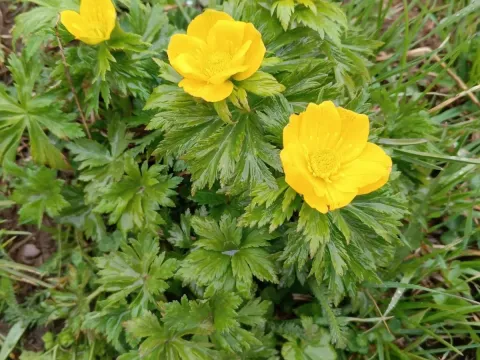
Globeflower
Trollius ranunculinus
The seeds of Trollius ranunculinus require a cold stratification period to break dormancy, making late autumn the ideal time for direct sowing in open ground.
What the section contains
Globeflower
When sowing in trays, seeds should be kept at temperatures between 0 and 4 degrees Celsius for at least three to four months before being moved to warmer conditions for germination.
It is critical to sow seeds at a shallow depth, not exceeding one centimeter, as they require a minimal amount of light to stimulate the initial growth phase.
Consistent soil moisture must be maintained throughout the germination period, which can be quite lengthy and irregular depending on the environmental temperature fluctuations.
Transplanting seedlings to their permanent location is best performed in the second year, ensuring the young root system is well-established and capable of handling new soil conditions.
Trollius ranunculinus is a prominent member of the Ranunculaceae family, characterized by its preference for cool, moist climates and high humus content in the soil.
This crop thrives in partial shade, as intense direct sunlight during the summer months can lead to leaf scorching and premature dormancy of the entire plant.
Ideal soil for cultivation should be rich in organic matter, such as well-rotted compost or peat, with a neutral or slightly acidic pH balance to support vigorous growth.
Drainage is essential; while the plant loves moisture, it is highly susceptible to root rot if the soil becomes waterlogged or overly compacted during the growing season.
In terms of climate adaptation, the plant is extremely frost-hardy and does not require special winter protection, even in regions with severe sub-zero temperatures.
The primary fungal threats to this species include powdery mildew and various leaf spot diseases, which typically emerge in environments with poor air circulation.
Root rot, often caused by Pythium or Phytophthora species, poses a significant risk to the plant if drainage is insufficient or if irrigation is excessive.
Pests such as leaf miners can cause significant cosmetic damage, creating characteristic tunnels in the foliage that weaken the overall health of the plant.
Aphids occasionally infest the plant during the early growth stages, requiring integrated pest management strategies to protect the succulent new shoots.
Regular monitoring of the foliage and keeping the base of the plant free from debris are the best methods to minimize the risk of pathogen outbreaks.