
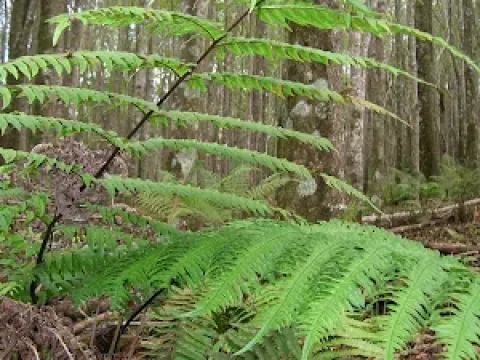
Pteris excelsa
Pteris excelsa
Pteris excelsa is a distinguished member of the Pteridaceae family, native to the humid regions of East Asia. This perennial fern is highly valued for its elegant, arching fronds and ability to thrive in low-light environments typical of forest floors.
What the section contains
Pteris excelsa
The plant requires a consistent temperature range between 18 and 24 degrees Celsius. It is particularly sensitive to sudden cold snaps and drafts, which can cause the delicate fronds to brown and wither rapidly, impacting the plant's aesthetic value.
Soil requirements for Pteris excelsa center on excellent drainage and moderate acidity. A blend of peat moss, pine bark, and perlite creates an ideal substrate that retains sufficient moisture while ensuring oxygen reaches the roots.
High humidity is essential for the healthy development of this species. In an indoor setting, maintaining humidity levels above 60 percent is crucial; this can be achieved through regular misting or the use of pebble trays filled with water.
Regarding light exposure, the plant performs best in indirect or dappled light. Direct sunlight is detrimental, as it causes severe tissue damage and scorching of the foliage, diminishing the plant's overall vitality and growth rate.
Root rot is the most frequent pathological threat to Pteris excelsa. It is primarily caused by overwatering or poor drainage, which creates an anaerobic environment where pathogenic fungi can thrive and attack the root system.
Pests such as spider mites, mealybugs, and scale insects frequently target this fern, especially when ambient humidity is insufficient. These pests weaken the plant by extracting essential sap from the frond tissues.
To combat infestations, growers should inspect the underside of leaves regularly. If pests are detected, the application of horticultural oils or insecticidal soaps is recommended, provided they are applied during the cooler times of the day.
Poor ventilation can lead to the formation of powdery mildew on the fronds. To mitigate this risk, it is important to ensure adequate air circulation around the plant, preventing the accumulation of stale, humid air that promotes fungal growth.
Nutritional deficiencies, specifically nitrogen or iron shortages, often lead to chlorosis. Balanced liquid fertilizers formulated for ferns should be applied during the active growing season to ensure robust health and vibrant green foliage.