
Serpocaulon
Serpocaulon
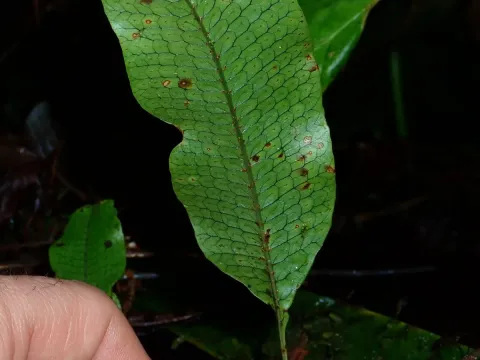
Serpocaulon is a genus of ferns belonging to the family Polypodiaceae. Native to the tropical regions of Central and South America, these plants are known for their distinct rhizomes and complex leaf morphology.
What the section contains
Serpocaulon
As tropical plants, they thrive in environments with high humidity and consistent, moderate temperatures. They are typically found in nature as epiphytes, anchoring themselves to tree trunks and branches in the rainforest canopy.
Successful cultivation requires a specialized growing medium that mimics their natural environment. A well-draining, airy mix composed of bark, perlite, and high-quality peat moss is recommended to prevent root suffocation.
Bright, indirect light is essential for their development. Exposure to direct sunlight can severely damage the foliage, leading to dehydration and leaf scorch, especially in indoor environments.
Watering management is vital; the substrate should remain consistently moist but never waterlogged. Using tepid water for irrigation helps maintain a healthy root system and promotes steady vegetative growth.
Root rot caused by overwatering and poor drainage is the most significant threat to the health of Serpocaulon. If the soil remains saturated for too long, the rhizomes will begin to decay rapidly.
Pests such as scale insects and mealybugs are common problems in greenhouse or domestic settings. These pests often congregate in protected areas of the rhizomes or along the veins of the fronds.
Spider mites represent a major concern during dry periods or in environments with low humidity. Their presence is usually signaled by fine webbing and the appearance of yellow spots on the fronds.
Fungal leaf spot diseases can occur if the humidity levels are too high combined with poor air circulation, necessitating improved ventilation protocols for the plants.
Effective management includes regular inspection and the use of gentle, plant-safe pesticides or biological controls, ensuring that the ferns are kept in optimal physiological condition to resist potential attacks.