
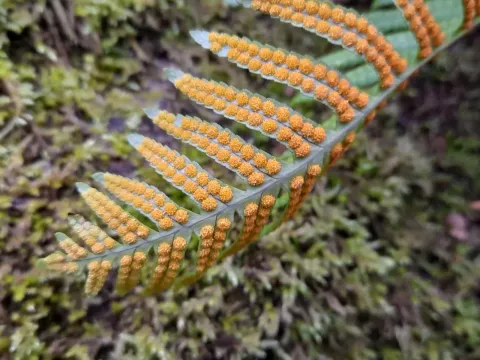
Southern polypody
Polypodium cambricum
The Southern polypody (Polypodium cambricum) is a perennial fern species belonging to the Polypodiaceae family. It is native to the Mediterranean region, Western Europe, and parts of the Atlantic islands, where it thrives in cool, sheltered environments.
What the section contains
Southern polypody
This species is highly valued for its ability to grow in shaded conditions, often inhabiting crevices in rocks, walls, and forest floors. It requires a stable microclimate with moderate temperatures, avoiding extreme heat or long periods of freezing conditions.
Regarding soil requirements, the plant demands excellent drainage. It thrives in porous, slightly acidic to neutral substrates enriched with organic matter like leaf mold. The presence of rocky components in the soil promotes the healthy development of its creeping rhizomes.
Botanically, the plant is distinguished by its pinnate fronds that emerge from a scaly, creeping rhizome. The fern is semi-evergreen, meaning it maintains its foliage for most of the year unless severely affected by frost or extreme summer droughts.
Cultural practices involve maintaining consistent soil moisture while ensuring proper aeration. In garden settings, it is often used as a ground cover in shady rock gardens or as an ornamental plant in shaded borders that mimic its natural woodland habitat.
Slugs and snails are the primary pests that affect Polypodium cambricum. They are particularly attracted to the fresh, succulent fronds as they emerge in the spring, which can lead to significant aesthetic damage if not monitored.
Fungal infections, such as leaf spot, may occur if the plant is grown in areas with poor airflow and excessive humidity. Proper spacing between individual plants is essential to prevent the spread of spores and bacterial pathogens.
Root rot represents the most significant threat to the overall survival of the plant. This condition is almost exclusively caused by waterlogged soil, which leads to the suffocation and decay of the creeping rhizome system.
Scales and mealybugs can occasionally attack specimens grown in glasshouses or indoor environments. These insects thrive in dry, stagnant air, necessitating regular monitoring and gentle cleaning of the foliage.
Preventive care involves cleaning away dead leaf litter that may harbor pathogens and ensuring the rhizomes are not buried too deeply in the soil, as they prefer to stay near the surface.