
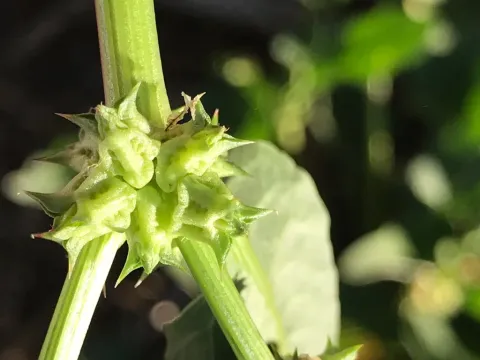
Spiny dock
Rumex spinosus
Spiny dock, scientifically known as Rumex spinosus, is a plant species within the Polygonaceae family. It is primarily characterized by its distinct, spiny fruits that aid in seed dispersal and survival in harsh environments.
What the section contains
Spiny dock
The sowing season typically occurs in early spring or autumn, depending on the climatic zone. The seeds should be planted in well-prepared, loose soil to facilitate deep root penetration, which is vital for the plant's stability.
Sowing density is determined by the intended yield, with rows spaced to allow for sufficient air circulation. Proper spacing prevents overcrowding, which can otherwise lead to stunted growth and increased susceptibility to diseases.
Germination usually takes place within 10 to 14 days under optimal soil moisture conditions. During the initial growth phase, consistent irrigation is necessary to ensure the seedlings establish a robust taproot system.
Once established, the plants demonstrate a high capacity for biomass production. Agricultural management involves periodic weeding and monitoring of plant density to optimize space utilization in the field.
Spiny dock thrives in environments with high light intensity, as it is a sun-loving plant. Areas with excessive shading should be avoided to prevent poor development and reduced yield potential.
The ideal soil profile for this crop consists of well-drained loams or sandy soils with a neutral pH. While it is tolerant of low-nutrient soils, supplemental fertilization can significantly boost biomass accumulation.
Temperature-wise, the plant prefers moderate conditions ranging from 15°C to 25°C. It exhibits notable drought tolerance, making it a potentially resilient crop for semi-arid regions where other forage options fail.
Water requirements are moderate, but the plant benefits from regular watering during the vegetative growth phase. Excessive standing water should be avoided to prevent root rot and other moisture-related issues.
Management practices include maintaining proper soil structure through periodic tillage and potentially using mulch to retain soil moisture during the peak summer heat.
The primary threats to Rumex spinosus include fungal infections like powdery mildew, which can significantly damage leaf tissues if humidity levels remain too high for extended periods.
Insect pests, including various aphids and weevils, pose a risk to young plants. Regular field scouting is essential to identify infestations early before they lead to severe physiological stress.
Cultural control methods, such as rotation and the removal of infected plant debris, are recommended to minimize the build-up of pathogens and pest populations in the field soil.
Chemical intervention should be used as a last resort, prioritizing organic or low-toxicity solutions that minimize the impact on the local ecosystem and non-target beneficial insects.
Planting in areas with good air movement helps mitigate the risk of fungal infections by reducing the amount of time that moisture remains on the foliage during cool or damp mornings.
Harvesting is typically timed for the pre-flowering stage if the crop is intended for forage, ensuring the highest nutrient density and digestibility for livestock consumption.
Mechanical harvesting equipment should be adjusted to account for the physical structure of the plant, including the potentially prickly nature of the mature seeds and stems.
For seed production, harvesting occurs when the fruits turn brown and dry, usually in late summer. Careful handling is necessary to ensure seed viability and prevent premature shattering.
Post-harvest processing involves cleaning and drying the harvested material to prevent mold growth during storage. Proper ventilation in storage areas is crucial for maintaining quality.
The residues left after harvest can be incorporated back into the soil as organic matter, provided they are free from severe infestations of pests or pathogens from the previous season.