
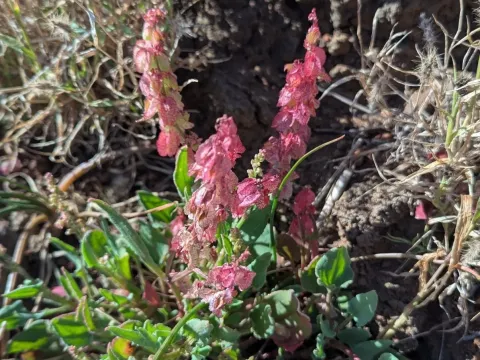
Simply-flowered sorrel
Rumex simpliciflorus
Simply-flowered sorrel is a perennial herb belonging to the Polygonaceae family. It is valued in horticulture for its vigorous early spring growth and ability to provide a consistent supply of fresh greens throughout the season.
What the section contains
Simply-flowered sorrel
Sowing should be carried out in early spring as soon as the soil becomes workable. Autumn sowing is also a viable practice, allowing seeds to germinate early in the following spring as temperatures rise, providing a head start for the growing season.
Seeds are sown in shallow furrows, approximately 1.5 to 2 centimeters deep, with rows spaced about 20-25 centimeters apart. Once the seedlings develop two true leaves, they should be thinned to ensure a spacing of 10 centimeters between individual plants.
The plant thrives in well-lit areas but also demonstrates adaptability to partial shade. Ensuring proper air circulation around the plants is critical for vigorous development and the prevention of foliage-related issues.
Before sowing, the soil should be prepared by clearing all perennial weeds and incorporating compost. This creates a favorable environment for the young seedlings to establish their root systems without early competition for nutrients.
The crop requires fertile, well-drained soil rich in organic matter to achieve high leaf yields. Loamy soils are ideal, as they retain moisture effectively without becoming waterlogged, which is essential for sorrel health.
The optimal soil pH range is between 5.5 and 7.0. While sorrel is relatively tolerant, significant deviations in acidity can impede nutrient uptake, particularly phosphorus, which is vital for root development and winter survival.
Regular fertilization with nitrogen-based nutrients after each harvest is necessary to support rapid leaf regeneration. Organic fertilizers, such as well-rotted manure, should be applied before the growing season to ensure sustained soil fertility.
Adequate water supply is paramount; drought conditions lead to premature flowering and the hardening of leaves, rendering them less palatable. Consistent irrigation during dry spells maintains the succulent texture of the leaves.
- Requirement for consistent soil moisture.
- Need for periodic weed control.
- Benefits of mulching to regulate soil temperature.
Aphids are frequent pests that colonize the undersides of leaves, causing curling and stunted growth. Regular inspection and the application of mild soap solutions are effective initial interventions.
Powdery mildew is a common fungal threat, typically appearing during periods of high humidity and poor ventilation. Keeping the plant spacing appropriate and removing infected leaves immediately can prevent widespread outbreaks.
The sorrel bug can cause significant cosmetic damage by leaving discolored patches on the foliage. Maintaining field hygiene and removing decaying plant debris at the end of the season reduces the risk of pest overwintering.
Root rot often develops in poorly drained soils where water stagnation occurs. Improving soil structure through the addition of sand or organic matter can prevent these conditions and promote long-term plant health.
Slugs and snails can be particularly destructive to young, tender seedlings. Physical barriers or eco-friendly deterrents should be used in early spring to protect the developing plants from these common garden pests.
The first harvest usually begins 45 to 50 days after germination. The leaves are cut at a height of 3-5 centimeters above the ground, taking care to avoid damaging the growing tip of the plant.
Multiple harvests can be conducted throughout the season, typically every 3 weeks, depending on the speed of recovery. Each cutting encourages the plant to produce new, fresh leaves, maximizing total productivity.
Harvesting is best performed in the cool hours of the early morning to ensure the leaves remain crisp and retain their moisture content. Post-harvest, the product should be cooled rapidly to preserve its freshness for the market.
Towards the end of the summer, harvesting must stop to allow the plant to accumulate carbohydrates in its roots. This storage process is vital for the plant to successfully survive winter dormancy and resume growth next year.
A well-maintained sorrel patch can remain productive for several years. After 4-5 years, yields may naturally decline, signaling the need for bed rotation or rejuvenation of the plantation through division or reseeding.