
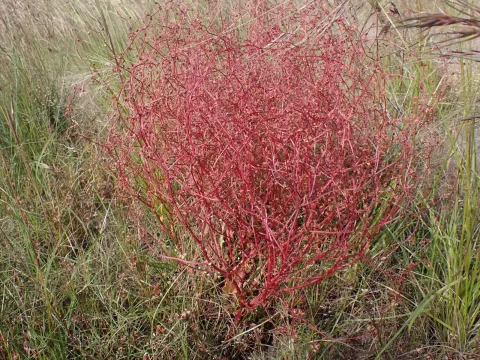
Shrubby dock
Rumex dumosus
Shrubby dock (Rumex dumosus) is a perennial herbaceous plant belonging to the Polygonaceae family. Sowing is best performed in early spring, once soil temperatures exceed 6 degrees Celsius, promoting uniform germination.
What the section contains
Shrubby dock
Fall sowing is also a viable strategy, conducted just before the soil freezes. This allows seeds to remain dormant through winter and sprout promptly as temperatures rise in the spring season.
The optimal seeding depth ranges from 0.5 to 1.5 centimeters, depending on soil texture. Finer soils require shallower planting to ensure that the small seeds reach the surface effectively.
Seeding rates typically range from 10 to 18 kilograms per hectare. Proper calibration of equipment is essential to ensure uniform distribution across the field, preventing gaps in the crop stand.
Post-sowing rolling is recommended to consolidate the soil, which helps maintain seed-to-soil contact and prevents the drying out of the upper soil layers during germination.
Rumex dumosus thrives in fertile, well-drained loamy soils. While it tolerates a wide range of conditions, it avoids extreme waterlogging and prefers soils with moderate moisture retention.
The plant demonstrates significant cold tolerance, making it suitable for temperate regions. It requires full sunlight to partial shade to achieve maximum vegetative growth and biomass production.
Nutrient management is key for commercial success. Application of nitrogen-phosphorus-potassium (NPK) fertilizers significantly boosts leaf production and stem strength throughout the growing cycle.
Irrigation scheduling should be consistent, especially during peak growth months. Avoiding moisture stress ensures that the leaves remain tender and high in nutritional content.
Regular cultivation of inter-rows is necessary during the early stages of growth to eliminate competing weeds and facilitate aeration of the root system, which prevents root rot.
The crop is susceptible to fungal infections such as rust and leaf spot, which are often triggered by humid weather and poor field ventilation. Crop rotation is a standard preventative measure.
Leaf beetles (Gastrophysa viridula) represent the most serious insect threat to this species. They feed on the succulent leaves, significantly reducing both biomass and commercial value.
To mitigate pest impact, farmers are advised to remove plant debris from fields post-harvest, as these serve as hibernation sites for many common agricultural pests.
Integrated pest management (IPM) practices, including the use of botanical insecticides and pheromone traps, are highly effective in managing pest populations without chemical residues.
Monitoring for viral symptoms is also necessary, as infected plants should be promptly identified and rogued from the field to prevent broader transmission within the crop.
The harvesting process typically begins when the leaves reach their optimal size, usually before the plant enters the bolting phase. This ensures the best culinary and nutritional quality.
Mechanical harvesting is conducted using specialized mowers that slice the foliage at a specified height. It is critical to leave a stubble of at least 5-7 centimeters to allow for rapid regrowth.
Frequency of harvesting depends on the climatic conditions and the intensity of nutrient management, often allowing for three to four cuts per active growing season.
After cutting, the product must be cooled immediately to prevent wilting and degradation of quality. Proper storage involves maintaining low temperatures and adequate humidity.
Following the final harvest of the season, a light fertilization application can help the plants build up root reserves for the upcoming winter dormancy period.