
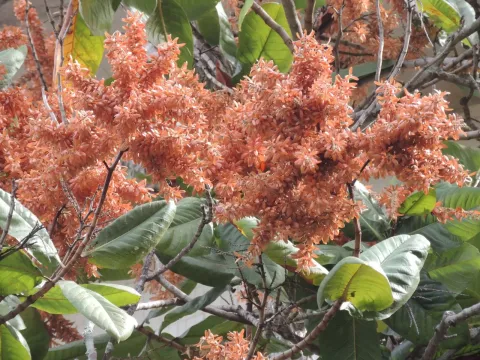
Triplaris
Triplaris
Triplaris is a genus of fast-growing trees belonging to the Polygonaceae family, native to the tropical regions of Central and South America. These trees are well-adapted to high-temperature environments with significant annual rainfall.
What the section contains


Triplaris
The climate requirements for Triplaris are strictly tropical. The tree thrives in regions where temperatures remain consistently warm throughout the year, as it lacks cold hardiness and is highly susceptible to frost damage.
Soil quality is paramount for successful cultivation. The ideal growing medium is a deep, fertile, and well-drained loam. While the tree appreciates moisture, waterlogging is detrimental, necessitating site selection with excellent natural drainage.
Agricultural management requires sufficient solar radiation to promote vigorous growth and annual flowering. In managed plantations, proper spacing is essential to ensure that each tree receives adequate sunlight and ventilation throughout its development.
Economic applications for Triplaris are broad, focusing primarily on its high-quality timber used for premium furniture and construction. Additionally, its rapid biomass production makes it an excellent candidate for reforestation and carbon sequestration projects.
The primary threats to Triplaris involve insect infestations, particularly in nurseries where their natural symbionts, such as Pseudomyrmex ants, might be absent. Without this protection, trees are prone to heavy defoliation by various herbivores.
Common pests include scale insects and spider mites, which can proliferate during drier months. Frequent monitoring and the application of horticultural oils or systemic insecticides may be necessary to control populations in non-native environments.
Fungal diseases are a significant concern, especially in high-humidity areas with poor air circulation. Foliar blight can develop rapidly, leading to crown thinning if not treated with appropriate preventive fungicide sprays.
Root rot, often caused by poor irrigation management or stagnant soil water, represents the most severe threat to plant vitality. Establishing a proper drainage system and monitoring soil moisture levels are crucial preventative steps.
Effective management against pests and diseases relies on an integrated approach: maintaining plant vigor through proper nutrition, ensuring adequate airflow within the canopy, and timely intervention upon the first detection of symptoms.