
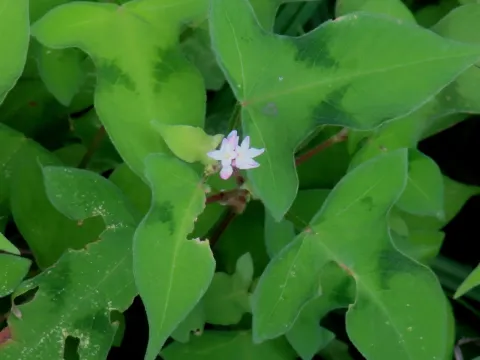
Thunberg's knotweed
Persicaria thunbergii
Sowing Thunberg's knotweed is best performed in early spring once the ground has warmed up significantly. Ideal timing usually aligns with late April, ensuring the soil temperature stays above 10 degrees Celsius.
What the section contains
Thunberg's knotweed
Seeds benefit greatly from a period of cold stratification before planting. This process helps to break dormancy and ensures a more uniform germination rate across the field, which is essential for uniform crop development.
When sowing, cover the seeds with a thin layer of soil, no more than 1-2 centimeters deep. Because the seeds are quite small, depth control is critical to ensure the sprouts can reach the surface without exhaustion.
Space the rows approximately 30 to 40 centimeters apart to allow for proper airflow and space for vegetative growth. This spacing also facilitates mechanical weeding between the rows during the early stages of plant development.
For more predictable results, many growers opt for greenhouse start-ups. Transplants should be moved into the field only after the threat of frost has completely passed to avoid stunted growth or plant loss.
Thunberg's knotweed, a member of the Polygonaceae family, thrives in moist, temperate conditions. It originates from East Asia and is well-adapted to regions with high humidity and fertile, well-draining soil.
The crop is highly moisture-demanding throughout its growth cycle. If natural precipitation is insufficient, supplemental irrigation is necessary to maintain the succulent nature of the stems and leaves.
Soil structure should be loamy and rich in organic matter. A slightly acidic to neutral pH range (5.5-7.0) is ideal for optimal nutrient uptake. Proper drainage is crucial, as waterlogging can lead to root diseases.
Nitrogen fertilizer application is beneficial for vigorous vegetative growth. Applying fertilizer during the mid-season helps boost the total biomass, which is often the primary goal when harvesting this plant.
While the plant tolerates partial shade, full sun exposure generally results in higher yields and better plant density. Choose sites that are protected from strong, drying winds to minimize moisture loss.
Fungal pathogens such as powdery mildew are the primary disease threats to this crop. These diseases often emerge during periods of high humidity and poor ventilation within dense planting patches.
Integrated pest management, including regular inspection and the use of fungicides when necessary, is recommended. Keeping the plants healthy through balanced nutrition helps them resist minor infections.
Pests like aphids are common in knotweed fields, especially during warm, dry spells. These insects damage the plant by sucking sap from tender stems, leading to weakened growth and potential viral transmissions.
Slugs and snails can pose a challenge, particularly for younger plants or in low-lying areas with high moisture. Keeping the perimeter clear and maintaining good soil cultivation can reduce their population effectively.
Effective sanitation after harvest, including the removal and disposal of diseased plant debris, is key to preventing the buildup of pathogens in the soil for future growing seasons.