
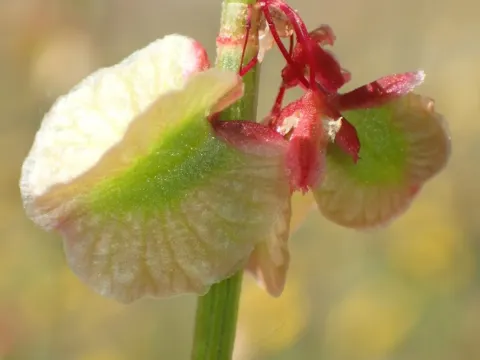
Rose sorrel
Rumex roseus
Rose sorrel (Rumex roseus) is a hardy perennial herb belonging to the Polygonaceae family. While it shares many characteristics with common sorrel, its distinct botanical features make it a unique addition to specialty agricultural crops and herb gardens.
What the section contains
Rose sorrel
The ideal time for sowing is early spring as soon as the soil is workable and has warmed up to 5–8 degrees Celsius. Autumn sowing is also a viable practice, allowing seeds to overwinter and germinate rapidly as the spring temperatures rise.
Seeds should be planted at a depth of 1.5–2 centimeters in rows spaced 30–40 centimeters apart. This spacing is crucial to provide enough room for the rosette to develop fully and to ensure adequate air circulation around the plants.
Maintaining consistent soil moisture is essential during the germination phase. Covering the seeded rows with lightweight garden fleece can accelerate emergence and protect the delicate seedlings from unpredictable late spring frosts.
Once seedlings are established, thinning is necessary to keep a distance of 10–15 centimeters between individual plants. Proper spacing prevents overcrowding, which is a major factor in reducing plant vigor and increasing susceptibility to diseases.
This crop thrives in fertile, well-draining loam or sandy loam soils. It prefers a neutral to slightly acidic pH level and responds exceptionally well to soil amended with organic matter such as compost or well-rotted manure.
Rose sorrel requires a sunny location to reach its full potential. Although it possesses some shade tolerance, direct exposure to sunlight enhances leaf color and biomass production, which are critical for commercial harvesting.
Watering requirements are moderate but must be consistent. Inadequate water during the peak growing season causes the leaves to become tough and bitter, significantly impacting the product's market value.
Effective weed management is required throughout the growing season. Regular hoeing of the inter-rows helps maintain soil structure and allows oxygen to reach the root system, boosting overall plant health.
While the plant is hardy, it benefits from a layer of mulch in colder climates to protect the roots during winter. Avoiding waterlogged soil during the dormant season is vital to prevent root rot in early spring.
The yield of rose sorrel is directly proportional to the fertility of the soil and the frequency of harvests. Under optimal conditions, producers can expect to harvest between 1.5 and 2 kilograms of high-quality foliage per square meter.
The first harvest typically begins 45 to 60 days after sowing when the plants have reached a height of 15–20 centimeters. Careful harvesting is key; the central growing point must remain untouched to facilitate regrowth.
A well-maintained rose sorrel patch can remain productive for 4 to 5 years. After this cycle, the plants tend to lose vigor, and their foliage becomes less desirable, signaling the need for field renovation.
Regular fertilization with nitrogen-rich compounds following each harvest encourages rapid regrowth of new leaves. This practice allows for multiple cutting cycles within a single growing season.
Monitoring for flowering stems is essential for yield optimization. Once the plant begins to bolt, energy is diverted from leaf production to flower development, causing the leaves to decline in quality and texture.
Common threats to rose sorrel include fungal issues such as downy mildew and various leaf spot diseases. These are often prevalent in high-humidity conditions or when planting density is too high.
Pests like the sorrel leaf beetle can cause significant damage to the foliage. These insects create holes in the leaves, which ruins their appearance and lowers their quality for both fresh market and culinary use.
Integrated pest management, including the use of biological control agents and manual removal, is recommended to keep pest populations below the economic injury level without relying on harsh chemicals.
Proper crop rotation is a fundamental preventive measure. Avoiding sites where other Polygonaceae species were grown recently helps minimize the buildup of host-specific pathogens in the soil.
If disease symptoms appear, it is important to remove the affected plant tissue immediately and monitor the area closely. In severe cases, approved fungicides may be used, strictly following pre-harvest interval guidelines.
Harvesting is performed by hand-cutting the leaves at a height of 3–5 centimeters above the crown. Using sharp tools ensures clean cuts, which minimizes the risk of infection and promotes quicker recovery.
The best time for harvesting is early morning, when the leaves have maximum turgor. Keeping the harvest cool and away from direct sunlight is crucial to prevent wilting and maintain freshness.
After picking, the sorrel should be cleaned and packed in containers that allow for adequate airflow. Efficient logistics ensure that the product reaches the end consumer while still in its peak state.
Storage should be maintained at a temperature between 0 and 2 degrees Celsius with high humidity. Under these controlled conditions, rose sorrel can stay fresh for up to one week.
A final cleanup harvest in late autumn is recommended to remove dead foliage and debris. This prepares the plant for a dormant winter period and ensures a clean start for the following spring season.