
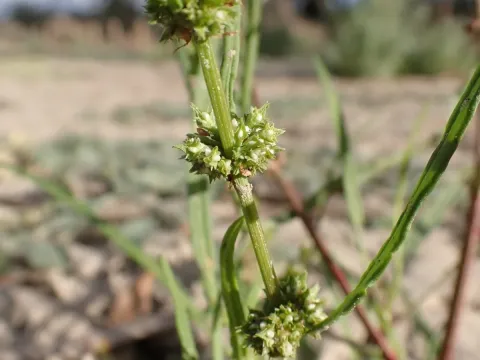
Rumex tenax
Rumex tenax
Rumex tenax is a perennial herbaceous plant belonging to the Polygonaceae family. Known for its strong root system and ability to adapt to varying soil conditions, it is a significant member of the genus within its natural range.
What the section contains
Rumex tenax
The optimal time for sowing is early spring when the soil temperature consistently reaches 5–10 degrees Celsius. Planting during this window allows the seeds to germinate steadily before the onset of summer heat.
Seeds should be planted at a depth of 1–2 centimeters with rows spaced 30–45 centimeters apart to ensure optimal airflow and light penetration for the growing rosettes.
In its first season, Rumex tenax focuses on establishing its root structure and producing a base rosette of leaves. Consistent soil moisture during the germination period is critical for achieving a successful stand.
Once established, the plants exhibit rapid early-season growth, effectively competing with early spring weeds and providing reliable green coverage for the soil.
This species thrives in fertile, well-drained loamy soils. While it is somewhat tolerant of different soil types, it performs best in soils with neutral to slightly acidic pH levels.
As a sun-loving plant, it requires full exposure to sunlight to develop strong, nutrient-dense foliage. Providing adequate light is essential for minimizing the risk of fungal growth on the leaves.
Maintaining soil fertility through the application of well-composted organic matter is highly recommended. This ensures that the plant has access to the micronutrients necessary for vigorous annual growth.
Although it possesses a high tolerance for fluctuations in temperature, persistent drought conditions can slow down leaf production. Supplemental irrigation is advisable during dry periods to maintain quality.
Regular cultivation and weeding between rows are necessary to prevent competition from invasive plant species and to keep the soil surface aerated for better root development.
Leaf rust is one of the most common threats to Rumex tenax, particularly in environments with high humidity and poor ventilation. Proper spacing between plants significantly reduces this risk.
The Rumex leaf beetle is a known pest that can cause localized defoliation if left unmanaged. Integrated pest management, including monitoring and physical removal, is effective at lower population levels.
Powdery mildew may occur during hot and dry summer months, appearing as a dusty white coating on leaves. Ensuring that plants have adequate access to water helps keep them resilient against such stress.
Aphid infestations are frequently observed on the underside of young leaves during early spring. Natural predators, such as ladybugs, often help control these populations naturally in garden settings.
Root rot can become a significant issue if the planting site suffers from poor drainage or waterlogging. Ensuring the soil is loose and drains well is the most effective preventative measure.
Harvesting usually begins when the leaf rosettes reach a sufficient size and texture. It is important to harvest before the plant enters its reproductive stage to ensure the highest leaf quality.
Multiple harvests can be conducted throughout the growing season by trimming the leaves at a height of approximately 3–5 centimeters above the crown of the root system.
Regular harvesting encourages the plant to put energy into the production of fresh, tender leaves, thereby maximizing the total biomass yield per square meter.
Fertilization with a balanced nutrient source immediately after a major harvest cycle helps replenish the plant's reserves, promoting faster regrowth for the next cutting.
Final harvesting should be completed well before the first frost, allowing the plant sufficient time to allocate nutrients to the root system for successful dormancy through the winter.