
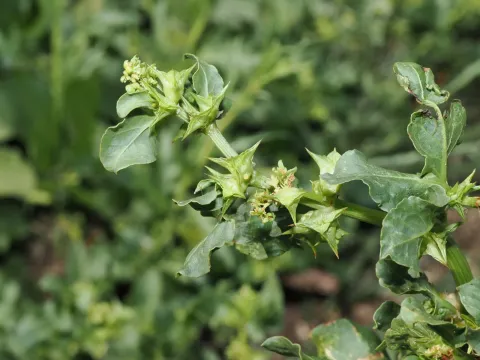
Rumex hypogaeus
Rumex hypogaeus
Rumex hypogaeus belongs to the Polygonaceae family and is recognized for its specific ecological niche. Sowing typically takes place during the early spring season when soil temperatures stabilize around 10–12 degrees Celsius.
What the section contains
Rumex hypogaeus
Proper seedbed preparation is essential for successful germination. Seeds should be planted at a depth of 2 to 3 centimeters, ensuring uniform coverage and adequate contact with the surrounding soil.
Row cropping is the preferred method for this culture, with spacing of approximately 30 centimeters between rows. This setup facilitates effective mechanical weeding and allows for consistent plant development.
The amount of seeds used per hectare usually ranges from 15 to 20 kilograms, depending on the desired plant density. Soil moisture must be monitored immediately after sowing to ensure the seeds do not dehydrate.
Success in sowing is determined by the quality of the planting material. Using certified, high-germination seeds significantly increases the yield potential of the final crop.
This species thrives in well-drained, nutrient-rich soils with a neutral or slightly alkaline pH. Proper soil aeration is vital for the development of its root system.
Light intensity is a primary requirement; Rumex hypogaeus performs best in full sunlight conditions. It is not recommended to cultivate this plant in shaded or densely covered areas.
While the plant shows some resistance to moderate drought, maintaining consistent water availability is key to achieving high biomass production throughout the growth season.
Temperature management should focus on avoiding extreme fluctuations. The plant responds well to moderate climates and requires consistent warmth during its active vegetative cycle.
Fertilization regimes should be based on soil testing. Nitrogen input is typically increased during the early growth stages, while phosphorus and potassium are essential for long-term health.
The yield of Rumex hypogaeus is largely determined by local climatic conditions and the intensity of cultivation. Under favorable management, the crop produces a reliable amount of biomass.
Green mass yields typically vary between 20 and 35 tons per hectare. Frequent harvesting or cutting can stimulate secondary growth, effectively increasing the total annual biomass output.
When grown for seed production, yields often reach 0.5 to 1.2 tons per hectare. Successful harvest depends on timing the collection before the natural shattering of seeds occurs.
Soil quality improvements through organic matter additions can lead to an increase in production by up to 20 percent. Irrigation practices remain the most critical factor for stability.
Optimizing the harvest window ensures the highest nutritional value. Balancing biomass quantity with quality is essential for farmers utilizing this plant as a supplementary fodder source.
The crop is generally robust, but it can be susceptible to root rots if the soil remains waterlogged for extended periods. Good drainage is the most effective preventative measure.
Pests like aphids and certain beetle larvae can damage leaves and stems. Integrated pest management strategies, including biological control, are recommended over chemical interventions.
Fungal diseases, such as powdery mildew, may develop under conditions of high humidity and poor air circulation. Regular field monitoring is necessary to detect these issues early.
Weed competition is a significant threat during the seedling stage. Keeping rows clear and maintaining appropriate spacing helps reduce the risk of competition-driven stress.
Sustainable farm management involves crop rotation and proper field sanitation. These practices significantly lower the incidence of pathogens and pests, ensuring a healthier crop cycle.
Harvesting for forage is ideally performed at the beginning of the flowering phase. This is the stage when the plant contains the highest concentration of vitamins and proteins.
Mechanical harvesting equipment, such as mowers or forage harvesters, should be calibrated to prevent unnecessary loss of leaves and small stems during the cutting process.
For seed collection, a combine harvester is often used once the seeds have reached physiological maturity. Post-harvest, seeds must be cleaned and dried to prevent fungal growth in storage.
Storage should take place in a cool, dry, and ventilated facility to maintain seed viability and the quality of dried plant material for future use.
Effective management of harvest logistics ensures that the material remains fresh. Whether stored for silage or dried as hay, the processing steps must be carried out promptly.