
Ruprechtia
Ruprechtia
Ruprechtia is a genus of flowering plants belonging to the Polygonaceae family. It consists of several species of trees and shrubs native to tropical and subtropical regions of the Americas, specifically widely distributed in Central and South America.
What the section contains

Ruprechtia
These plants thrive in regions with distinct seasonal changes, particularly where a dry season occurs. They are typically found in forest edges and savannas, requiring significant exposure to sunlight for optimal physiological development and maturation.
Regarding soil requirements, Ruprechtia species prefer well-drained substrate conditions. They demonstrate high tolerance for varying soil compositions, including rocky or sandy soils, provided that excessive moisture accumulation does not occur, which could lead to root decay.
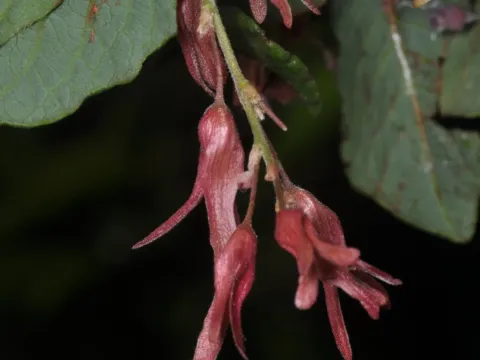
The botanical structure of Ruprechtia is marked by small, inconspicuous flowers and specialized fruits that feature wing-like structures. These appendages act as a dispersal mechanism, allowing seeds to be carried by the wind over long distances in their native habitat.
Industrially, Ruprechtia is primarily valued for its hardwood. The timber is characterized by high density and durability, making it suitable for local furniture making, construction framing, and artisanal tools that require long-lasting material strength.
The primary threats to Ruprechtia populations include rapid deforestation and land-use conversion. As forest areas are cleared for cattle ranching and large-scale agriculture, the natural habitats of these trees are drastically reduced.
Biological threats include fungal infections that can compromise the structural integrity of the trunks. These pathogens often colonize the bark, especially in areas where the tree has been stressed by extreme weather or mechanical injury.
Wood-boring insects represent a significant concern for the quality of the timber. Infestations by larvae can lead to extensive internal damage, which disqualifies the wood from high-grade commercial applications.
Leaf-eating pests and sap-sucking insects can affect younger plants, reducing their photosynthetic capacity and slowing down overall growth rates, which increases their vulnerability to competitive weeds.
Since these trees are generally harvested from wild stocks rather than managed plantations, effective pest control and disease management remain largely unaddressed, leaving the species vulnerable to localized outbreaks.