
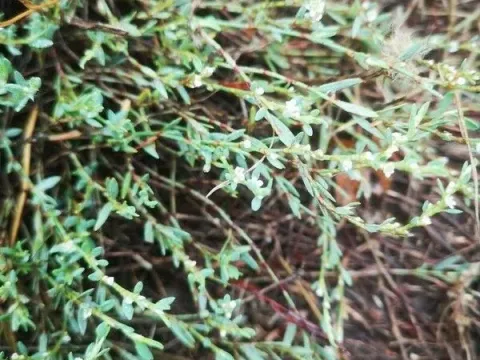
Roman knotweed
Polygonum romanum
Roman knotweed (Polygonum romanum) is a herbaceous plant belonging to the Polygonaceae family. It is recognized for its trailing growth habit and its ability to cover ground effectively, making it a robust species in various environmental conditions.
What the section contains
Roman knotweed
The plant originates from Mediterranean regions, which dictates its preference for well-drained soils and high sunlight exposure. It performs best in sandy or silty substrates where root aeration is naturally maintained.
Regarding climate requirements, the species is moderately drought-tolerant. It thrives in temperate conditions but can adapt to warmer climates if the moisture level is managed correctly during the critical early growth stages.
Soil nutrient management is essential for optimizing yield. While the plant can survive in nutrient-poor soils, incorporating basic organic fertilizers improves the overall biomass production and health of the crop.
Agrotechnical practices include maintaining clean aisles and regular light cultivation to prevent soil compaction. These steps ensure that the root system develops fully, allowing for efficient nutrient uptake and plant stability.
Fungal diseases, specifically powdery mildew, represent the primary threat to Roman knotweed populations, especially during humid seasons. Preventive fungicide applications are recommended for large-scale commercial plots.
Aphids and other sap-sucking insects are common pests that may infest the foliage. Monitoring programs should be implemented to identify early signs of damage and apply targeted control measures.
Poor drainage is a significant risk factor that leads to root rot. Ensuring that fields are properly leveled and equipped with drainage systems is a priority for successful cultivation.
Weed competition can significantly inhibit the development of the crop during the germination phase. Mulching or mechanical weeding is highly recommended to give the plants a competitive advantage.
Adhering to strict phytosanitary measures helps in reducing the occurrence of soil-borne pathogens. This ensures the longevity and productivity of the crop throughout its lifespan in the field.