
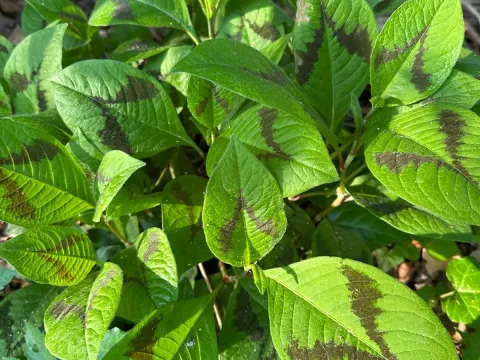
Persicaria filiformis
Persicaria filiformis
Persicaria filiformis, traditionally known as Polygonum filiforme, is a perennial plant belonging to the Polygonaceae family. It is widely recognized for its graceful, long, thread-like flower spikes and attractive, often variegated foliage.
What the section contains
Persicaria filiformis
Originating from East Asia, including Japan and the Himalayan regions, this plant thrives in temperate climates. Its natural habitat includes damp woodlands and shaded slopes, which informs its environmental needs in a garden setting.
To ensure successful growth, gardeners should select a site with partial shade and protection from harsh afternoon sun. The soil must be rich in humus, well-draining, yet consistently moist throughout the growing season.
The plant demonstrates good adaptability to various garden environments, but it performs best when supplied with regular moisture. It is particularly valued in landscape design for its ability to brighten up dark, damp corners of the garden.
Cultural practices involve maintaining a consistent watering schedule and applying a balanced fertilizer in early spring. Mulching the base of the plant helps retain moisture and protects the root system during colder months.
Common threats to Persicaria filiformis include fungal infections such as powdery mildew and leaf spot. These issues are most prevalent in areas with poor airflow and high humidity levels during the summer months.
Pests such as aphids and spider mites can occasionally affect the plant, particularly if it is under moisture stress. Regular inspections of the undersides of the leaves are recommended to catch infestations early.
Integrated pest management, including the use of neem oil or insecticidal soaps, is usually sufficient to handle minor pest outbreaks. Fungal issues are best managed through improved spacing and proper irrigation techniques.
Avoid overhead watering to keep the foliage dry, which significantly reduces the likelihood of fungal diseases. If the plant becomes overcrowded, thinning out some stems will promote better circulation.
- Monitor for discoloration or wilting leaves regularly.
- Ensure adequate drainage to prevent root rot.
- Remove and dispose of diseased foliage immediately.