
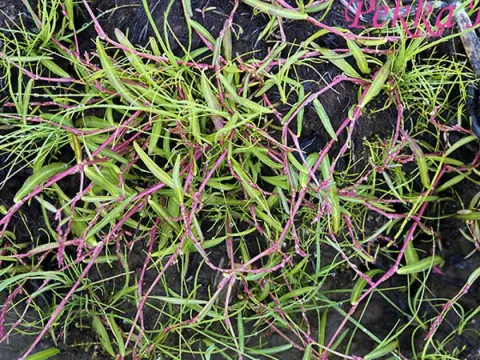
Persicaria foliosa
Persicaria foliosa
Persicaria foliosa, commonly known as a type of knotweed, belongs to the Polygonaceae family. This species is native to wetland environments and riverbanks, where it thrives in moist, organic-rich soils, often forming dense and expansive colonies.
What the section contains
Persicaria foliosa
The botanical structure of this plant consists of robust stems densely covered with foliage, which contributes to its high biomass production potential. The leaves are typically lanceolate, and the plant maintains a vigorous growth rate during the peak of the vegetative season.
Environmental requirements are focused primarily on moisture availability. This crop performs best in fertile, water-retaining soils with a neutral pH. It is highly sensitive to drought conditions, making consistent irrigation or naturally high water tables essential for commercial cultivation.
Temperature preferences for Persicaria foliosa are moderate, with optimal development occurring between 18 and 25 degrees Celsius. While it has some tolerance to cooling temperatures, it is not considered a frost-hardy crop and requires a stable frost-free window to reach maturity.
In agricultural practice, this plant is increasingly recognized for its utility in soil stabilization and as a potential component in green fodder systems. Its ability to thrive in wet conditions makes it a valuable candidate for utilizing low-lying agricultural land that is unsuitable for traditional cereals.
Common threats to Persicaria foliosa include fungal pathogens that exploit high-humidity environments. Powdery mildew and various leaf spot diseases are prevalent, especially if the planting density is too high, leading to poor air circulation within the canopy.
Pest pressures often involve leaf-feeding insects and spider mites. These pests thrive under stressful conditions, such as sudden fluctuations in moisture levels or nutritional deficiencies, which can weaken the plant's natural systemic resistance.
Management strategies focus on prophylactic measures, including balanced fertilization and proper spacing during sowing. Maintaining the health of the root system through appropriate soil moisture management is the primary defense against most soil-borne pathogens.
Weed management is critical during the establishment phase, as the crop grows slowly initially. Utilizing mulching or mechanical weeding techniques can help the plants establish a canopy, after which they are generally able to outcompete most weeds through shading.
If chemical interventions are necessary, they should be applied judiciously. Monitoring programs are recommended to detect early signs of infestation, ensuring that any treatment is targeted and minimizes the impact on the local ecosystem surrounding the production site.