
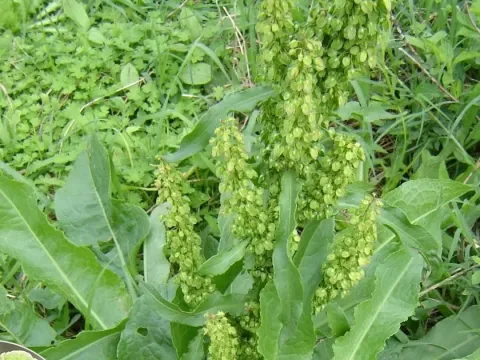
Paraguayan sorrel
Rumex paraguayensis
Paraguayan sorrel (Rumex paraguayensis) is a perennial herbaceous plant belonging to the Polygonaceae family. It is recognized for its robust growth habit and ability to provide multiple harvests of fresh foliage throughout the growing season.
What the section contains
Paraguayan sorrel
For optimal establishment, sowing should occur when the soil is sufficiently warmed and holds consistent moisture. Early spring is the preferred time for sowing in temperate zones, while late summer is suitable for regions with mild winters to allow the root system to develop before dormancy.
Seeds are sown in rows spaced 30 to 40 centimeters apart to facilitate airflow and maintenance. The planting depth should be shallow, generally between 1 and 2 centimeters, ensuring the seeds are in good contact with moist, fertile soil.
Uniform emergence is critical for a high-density crop. Maintaining soil surface moisture during the germination period is essential, often achieved through light overhead irrigation or the use of protective row covers in early spring.
Once the seedlings establish 3 to 4 true leaves, thinning is necessary to ensure each plant has enough space for optimal canopy development. This practice prevents the stunting of plants caused by overcrowding and competition for sunlight and nutrients.
This crop thrives in fertile, well-draining loamy soils with a slightly acidic to neutral pH. High organic matter content is beneficial, as it improves water retention, which is crucial since Paraguayan sorrel is sensitive to prolonged drought conditions.
Climatic requirements involve moderate temperatures and adequate rainfall throughout the growing season. While the plant shows some resilience to partial shade, full sun exposure is ideal for maximizing the photosynthetic rate and overall leaf production.
Fertilization management focuses on providing a balanced supply of macro-nutrients. Nitrogen applications during early growth phases significantly boost vegetative biomass, whereas adequate potassium levels help strengthen the plant against environmental stressors.
Regular cultivation between rows is vital for soil aeration and weed control. Since weed pressure can significantly impede the development of young sorrel plants, keeping the plot clean is a fundamental requirement for successful commercial production.
Proper drainage must be ensured to prevent waterlogging, which is a major cause of root decay in Rumex species. If the soil is heavy or prone to flooding, raised beds are an excellent solution to maintain healthy root environment conditions.
The yield potential of Paraguayan sorrel is high when managed under intensive agricultural practices. Depending on climatic conditions and irrigation, multiple harvests can be taken, contributing to significant seasonal output per hectare.
Harvesting is typically done by cutting the leaf rosettes. Timing is essential; leaves should be harvested while still young and tender to ensure premium culinary quality and prevent the plant from becoming woody and bitter.
Consistent cutting stimulates the plant to produce new growth, effectively increasing the cumulative yield over the season. Proper tool sterilization between harvest passes is recommended to prevent the accidental transmission of plant pathogens across the field.
The lifespan of a productive plantation generally spans 3 to 5 years. After this period, plant vigor tends to decline, suggesting the need for field rotation or the establishment of new plots to maintain economic viability.
Post-harvest handling is critical, as sorrel leaves are perishable. Immediate cooling and careful packaging are required to preserve the moisture content and nutritional value of the product before it reaches the market.
The main pathological threats to Paraguayan sorrel include leaf spot and powdery mildew. These diseases are particularly prevalent in dense, poorly ventilated crops or during periods of excessive humidity; therefore, canopy management is a primary prevention method.
Aphids and various leaf-eating beetles can cause considerable damage if not managed early. Integrated Pest Management (IPM) strategies, including the use of biological controls and soaps, are preferred over synthetic pesticides to ensure food safety.
Nematode infestations can damage the root systems, leading to general plant decline and reduced growth. Crop rotation with non-host species is the most effective cultural practice to reduce nematode populations in the soil.
Weeds compete for resources and serve as alternative hosts for diseases and insect pests. A structured weeding program, starting from the establishment phase, is essential for maintaining the health and productivity of the entire stand.
Sanitation practices such as removing crop debris after each harvest help minimize the inoculum of fungal diseases. Keeping the site clean prevents the buildup of pathogens, thereby reducing the dependency on chemical treatments throughout the crop cycle.