
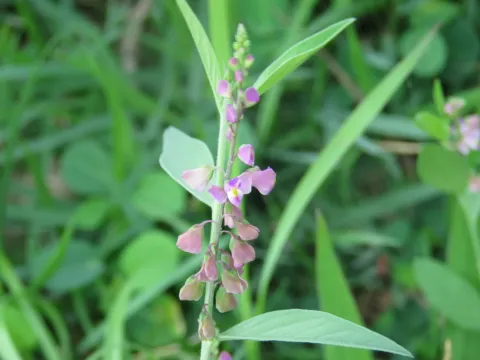
Polygala planellasi
Polygala planellasi
Polygala planellasi is a perennial herbaceous plant belonging to the Polygalaceae family. Native primarily to Cuba, it thrives in specific rocky habitats, showcasing an incredible adaptation to mineral-rich and alkaline substrates found in its natural range.
What the section contains
Polygala planellasi
The plant exhibits a distinct morphology characterized by thin, branching stems and narrow leaves, features that are typical of plants evolved to minimize water loss in arid environments. Its deep root system is designed to secure the plant in harsh, gravelly soil conditions.
Successful cultivation requires well-drained, alkaline soils. It is critical to avoid waterlogging, as the species is highly susceptible to root decay. Gardeners and farmers should ensure that the planting medium offers excellent drainage properties to mimic the plant's natural habitat.
Optimal growth occurs at temperatures ranging between 22 and 28 degrees Celsius. Polygala planellasi is a photophilous species, meaning it requires abundant sunlight throughout the day to maintain its structural integrity and physiological health.
Agrotechnical management involves careful irrigation, where the substrate is allowed to dry significantly between watering cycles. This practice helps to strengthen the plant's resilience and mimics the natural climatic cycles of its native Caribbean environment.
The primary threat to the stability of Polygala planellasi crops is the proliferation of fungal pathogens. Diseases such as root rot and wilt are direct consequences of poor drainage and excessive ambient or soil moisture.
Common agricultural pests affecting this species include spider mites and mealybugs. These pests are particularly problematic in greenhouse environments where low airflow and stable, high temperatures create favorable breeding conditions.
Mitigation strategies involve maintaining adequate spacing between plants to improve air circulation, which significantly reduces the humidity levels around the foliage and prevents the rapid spread of infections.
Biological control agents are highly recommended over chemical pesticides to manage pest populations, ensuring that the plant retains its medicinal or ornamental quality without the risk of residue accumulation.
Regular inspection of the root zone and foliage is necessary to detect early signs of stress or infestation, allowing for prompt intervention before the plant's health is severely compromised.