
Polygala petitiana
Polygala petitiana
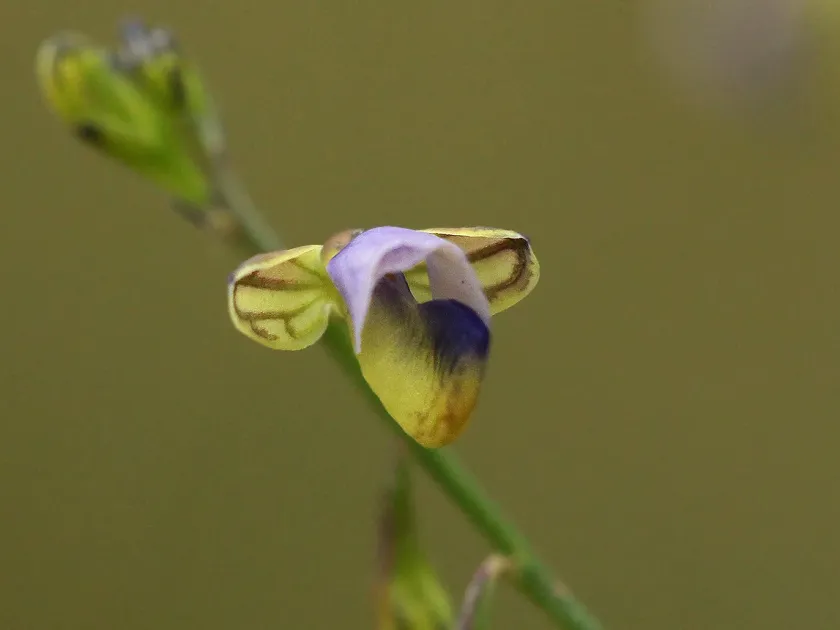
Description
Sowing dates
Sowing of Polygala petitiana is ideally scheduled for the early spring once the soil temperature consistently reaches 12–15°C. In regions with harsher winters, providing a period of cold stratification for the seeds can significantly improve germination rates and uniformity.
Seeds should be sown at a shallow depth of approximately 1–2 centimeters, as they require sufficient light exposure to trigger the germination process. Ensuring a fine-textured seedbed is crucial for maintaining consistent moisture levels around the seeds during the establishment phase.
Row spacing should be maintained between 20 to 40 centimeters, depending on whether the crop is intended for biomass production or seed multiplication. Proper spacing ensures adequate airflow, which is vital for preventing the development of humidity-related pathogens.
Mechanical sowing is feasible with adjusted grain drills that handle small seeds accurately. It is essential to ensure that the sowing depth is consistent across the field to avoid uneven emergence and competition between plants of different developmental stages.
In addition to field sowing, greenhouse propagation followed by seedling transplantation is an effective strategy for maximizing crop survival. This method allows for a more controlled environment during the vulnerable germination and early vegetative growth stages.
Growing requirements
Polygala petitiana is a member of the Polygalaceae family and thrives in well-drained, loamy, or sandy-loam soils. It is highly intolerant of waterlogged conditions, making well-drained sites or raised beds essential for preventing root rot and ensuring long-term plant health.
The plant requires full sun to partial shade for optimal growth and development. Exposure to adequate sunlight is key to promoting the synthesis of phytochemicals, which is often a priority when cultivating this species for industrial or medicinal purposes.
Soil pH should ideally range from slightly acidic to neutral. Periodic testing of soil fertility is recommended to ensure that essential macronutrients like phosphorus and potassium are available, which support healthy root development and overall plant vigor.
While the plant exhibits some drought tolerance once established, maintaining consistent soil moisture during the peak growing season is beneficial for biomass accumulation. Drip irrigation is considered the most efficient delivery method, minimizing water waste and foliage wetting.
Temperature management is straightforward, as the plant is adapted to moderate climates. However, covering the crop with protective mulch during the initial winter is advisable in regions where ground frost is severe and persistent, helping to stabilize soil temperature.
Main diseases and pests
Fungal diseases, particularly those affecting the root system, are the most significant threats to Polygala petitiana. These conditions are usually triggered by poor drainage or excessive irrigation, emphasizing the need for strict water management protocols in the field.
Common insect pests include aphids and mites, which can damage soft tissues and hinder growth. Monitoring the underside of leaves and the growing tips of the plants allows for early detection and targeted management before a major infestation occurs.
Weed competition can be a major factor in the success of the crop during its establishment phase. Implementing a robust weed control program, including manual or mechanical weeding and the use of mulch, is critical to allow the plants to develop without competition.
If soil-borne nematodes are detected in the field, it is necessary to implement crop rotation cycles with non-host species, such as specific grasses or legumes, to break the pest's lifecycle and protect subsequent plantings.
Mildew and other leaf-spot diseases can appear under conditions of high humidity and limited air movement. Improving field spacing and ensuring proper field sanitation by removing infected plant debris helps mitigate the risk of disease spread across the plot.