
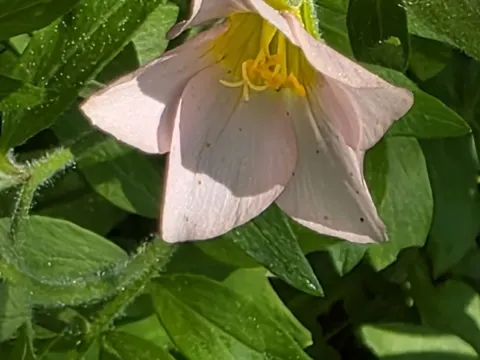
Polemonium carneum
Polemonium carneum
Polemonium carneum is typically propagated through seeds, which require a cold stratification period to break dormancy before germination. Sowing is usually performed in late autumn for natural stratification or in early spring after artificial treatment in a refrigerator.
What the section contains
Polemonium carneum
When starting indoors, seeds should be sown in trays filled with a well-draining seed-starting mix in late winter. The seeds should be barely covered with soil, as they require some exposure to light to trigger the germination process successfully.
Temperature management is critical; maintaining a steady range of 18-20 degrees Celsius encourages uniform emergence. Seedlings should be moved to a brighter location as soon as they emerge to prevent them from becoming leggy and weak.
Once the seedlings develop at least two sets of true leaves, they are carefully transplanted into individual containers or pots. This hardening-off process is essential for preparing the young plants for their eventual transfer to the outdoor growing environment.
Transplanting to the final garden site occurs after the danger of frost has passed, usually in mid-to-late spring. Space the plants approximately 30-45 centimeters apart to ensure each specimen has adequate airflow and access to nutrients.
Belonging to the Polemoniaceae family, this species thrives in sites that offer partial shade to full sun. It is adaptable to various temperate climates, provided the soil conditions meet its specific moisture and nutrient requirements.
The ideal soil is fertile, humus-rich, and exhibits excellent drainage characteristics. While the plant appreciates consistent moisture, it is highly sensitive to waterlogging, which can cause crown and root rot, especially during dormant periods.
Consistent watering is necessary throughout the growing season, particularly during prolonged dry spells. However, avoiding overhead irrigation can help maintain the health of the foliage and prevent the proliferation of moisture-loving pathogens.
Regular fertilization with a balanced, slow-release granular fertilizer at the start of the growing season supports healthy development. Organic mulch, such as compost or well-rotted leaf mold, helps retain soil moisture and suppresses weeds.
Although Polemonium carneum is quite hardy, providing a layer of protective mulch around the base of the plant during the winter months can provide extra insulation. This is especially beneficial for younger plants that have not yet fully established their root systems.
Common issues include fungal infections such as powdery mildew, which often develops in stagnant air conditions or high humidity. Promoting good air circulation through proper spacing is the most effective preventative measure against these conditions.
Pests like aphids and spider mites can occasionally infest the foliage, particularly in hot, dry conditions. Regular monitoring of the undersides of leaves allows for early detection and intervention using organic insecticidal soaps or neem oil.
Slugs and snails may target the succulent leaves during the spring months, especially if the planting area is damp. Using protective barriers or environmentally safe slug pellets can help minimize damage during the vulnerable early growth stages.
Root rot, often caused by pathogens like Phytophthora or Pythium, can be devastating if the drainage is inadequate. Ensuring that the soil structure is friable and well-aerated is the best defense against soil-borne diseases.
Overall plant hygiene, including the removal of dead or decaying foliage at the end of the season, reduces the overwintering sites for potential pests and diseases, thereby ensuring a healthier start for the plant in the following year.