
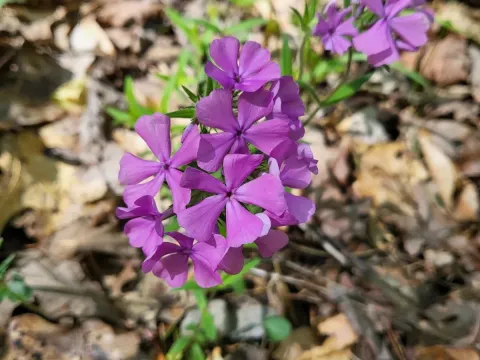
Phlox amoena
Phlox amoena
Phlox amoena, commonly known as hairy phlox, is a perennial herbaceous plant of the Polemoniaceae family. In cultivation, it is primarily propagated through vegetative methods, such as division of established clumps, which is best performed during the early spring or autumn dormant period.
What the section contains
Phlox amoena
For seed propagation, sowing should be conducted in late autumn to allow for natural stratification throughout the winter. Seeds are lightly covered with fine soil or compost in a well-drained nursery bed, ensuring they remain moist during the early spring germination phase.
Seedlings should be thinned or transplanted once they develop two pairs of true leaves. Providing sufficient space between young plants is crucial to facilitate proper air circulation and root development, which are essential for long-term plant health.
Stem cuttings are an alternative method for multiplying high-quality stock. Taking cuttings in June and rooting them in a shaded, humidified environment results in a high success rate and produces vigorous young plants for the following season.
Site preparation is critical for success. The soil should be thoroughly cleared of perennial weeds and amended with organic matter to improve soil structure and nutrient holding capacity before any planting operations begin.
Phlox amoena thrives in full sun, which is essential for maximizing flower production and maintaining compact growth. In regions characterized by extreme heat, partial shade during the hottest part of the day can prevent petal scorching and reduce water stress.
The species prefers well-drained, fertile soil with a neutral to slightly acidic pH. Heavy clay soils should be amended with organic compost and coarse sand to ensure adequate drainage and prevent the risk of root rot during wet weather.
Watering requirements are moderate but consistent. During the flowering period, soil moisture should be maintained evenly. Drip irrigation or careful ground-level watering is recommended to keep foliage dry and minimize the incidence of fungal diseases.
Nutrient management involves applying balanced, slow-release fertilizers in early spring. Additional potassium and phosphorus supplements during the bud initiation stage help to enhance the intensity of the blooms and strengthen the overall plant structure.
The plant is highly adaptable to temperate climates and exhibits good winter hardiness. In regions with harsh, freeze-thaw cycles, applying a thin layer of organic mulch in late autumn can help regulate soil temperature and protect the root system.
Powdery mildew is the most frequent fungal issue, particularly in humid or stagnant air conditions. It appears as a white, dusty layer on the leaves, which can be mitigated by improving air circulation and applying sulfur-based fungicides when necessary.
Root rot, caused by overwatering or poor drainage, remains a significant threat. Ensuring that the planting site has excellent drainage and avoiding deep, water-logged soils are the primary cultural controls for this condition.
Nematodes are serious pests that can infest the roots, causing stunted growth and leaf distortion. Soil solarization or the removal and destruction of affected plants are recommended protocols to prevent the spread of these pathogens.
Aphids and various leaf-chewing insects may appear during periods of succulent new growth. Integrated Pest Management (IPM) practices, including the use of horticultural soaps or neem oil, are effective for maintaining plant vigor without broad-spectrum chemical use.
General hygiene, such as removing dead plant debris at the end of the growing season, is vital. This practice reduces the overwintering sites for pests and pathogens, ensuring a healthier start for the Phlox amoena population in the spring.