
Phlox caespitosa
Phlox caespitosa
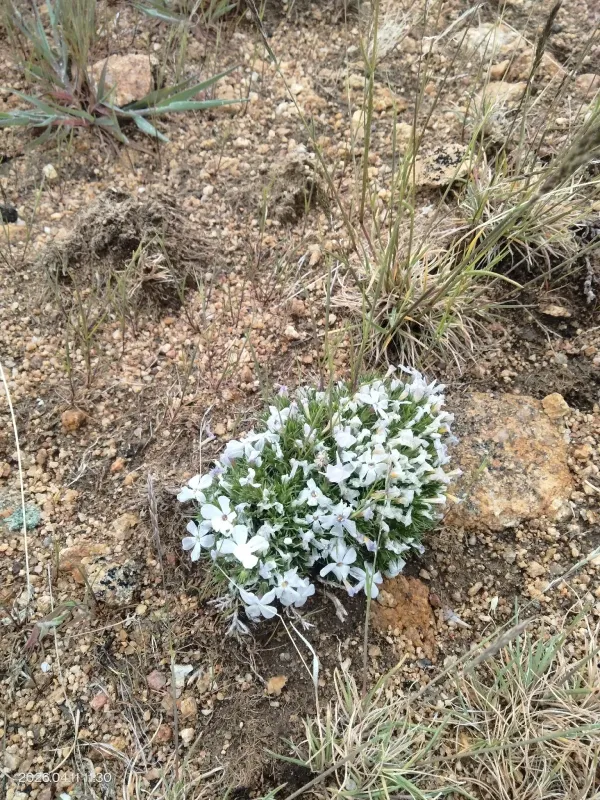
Description
Sowing dates
Seeds of Phlox caespitosa typically require cold stratification to break dormancy, making fall sowing directly into the ground an effective method for germination.
For spring propagation, seeds should be kept in a cool environment for several weeks to simulate winter conditions and ensure high emergence rates.
When sowing in containers, use a well-draining sterile medium and provide just enough soil covering to keep the seeds in place without burying them too deeply.
Transplanting seedlings requires careful handling of the root ball to minimize stress, ideally performed when the plants are dormant or in early growth stages.
Vegetative propagation via softwood cuttings taken in late spring provides a faster path to uniform plant growth and is preferred for commercial landscaping applications.
Growing requirements
Phlox caespitosa, a member of the Polemoniaceae family, is a dwarf, mat-forming perennial plant prized for its dense growth habit and intense flowering displays.
Native to the mountainous regions of North America, the plant is naturally adapted to survive in thin, rocky soils and harsh, exposed environments with high solar radiation.
Successful cultivation depends on providing full sun exposure, as the species is highly sensitive to shade, which inhibits flower bud formation and plant density.
The ideal soil is gritty, alkaline to neutral in pH, and exhibits rapid drainage properties to prevent any moisture buildup near the base of the plant crown.
The plant demonstrates significant tolerance to cold temperatures and drought once established, making it suitable for rock gardens, xeriscaping, and erosion control on slopes.
Main diseases and pests
Powdery mildew represents a primary fungal threat, particularly in environments with poor air circulation or high humidity, necessitating preventative fungicide applications.
Root rot is almost exclusively caused by poorly draining soils, which leads to oxygen deprivation in the root zone and the development of pathogenic fungal colonies.
Stem nematodes can severely impair growth, causing symptoms such as stunted or twisted stems that significantly reduce the aesthetic value of the groundcover.
Spider mites often exploit the dry conditions preferred by this plant, causing leaf stippling and yellowing that can weaken the overall health of the mat.
- Improving drainage through the incorporation of gravel or sand.
- Implementing drip irrigation to keep foliage dry.
- Monitoring for pest infestations during early growth stages.
- Applying preventive treatments in early spring.