
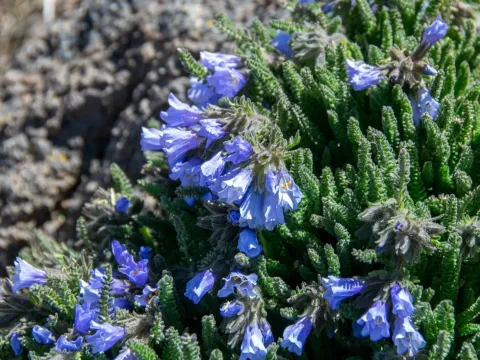
Sticky polemonium
Polemonium viscosum
Sticky polemonium (Polemonium viscosum) is an herbaceous perennial belonging to the Polemoniaceae family. It is native to the high-alpine regions of North America, where it thrives in rocky soils and harsh climatic conditions.
What the section contains
Sticky polemonium
Propagation is typically achieved through seeds, which require a cold stratification period of several weeks to break dormancy. For best results, sow seeds in late autumn to allow nature to perform the necessary cold treatment.
When sowing in spring, seeds should be kept in a moist medium at low temperatures for 4 to 6 weeks before planting. Sowing must be surface-level, as light is a critical factor for the germination process of this species.
Seedlings should be handled with care when transplanting to avoid damaging the delicate taproot. A spacing of approximately 30-40 cm between plants is recommended to ensure adequate airflow and prevent overcrowding.
Growth is generally slow in the first season as the plant focuses on establishing a robust root system. Once established, it demonstrates strong vigor and produces characteristic sticky, glandular foliage.
The plant demands a well-drained, gritty soil substrate to mimic its native alpine environment. Heavy clays that retain too much moisture during the winter months are detrimental to the plant's survival.
Full sun is an absolute requirement for successful cultivation. Even partial shade will result in elongated, weak stems and significantly reduced flower production throughout the growing season.
Watering should be managed carefully, providing just enough moisture to prevent complete desiccation while avoiding waterlogged conditions. The sticky, glandular hairs on the plant help it retain moisture during dry periods.
Temperature tolerance is a key feature of this species. It is highly adapted to extreme cold and rapid temperature fluctuations, making it an excellent choice for rock gardens in cooler climates.
Fertilization should be kept to a minimum. Over-fertilizing can lead to excessive leafy growth at the expense of floral display and may weaken the plant's natural resistance to environmental stress.
Aphids and spider mites are common pests that may infest the foliage, particularly during hot and dry spells. Regular inspection is necessary to manage these populations before they cause significant damage.
Root rot caused by fungal pathogens is the most common threat, usually stemming from poor drainage or excessive irrigation. Improving soil porosity is the primary method for disease prevention.
Powdery mildew may occur if air circulation is inadequate. Maintaining proper plant spacing helps to keep the foliage dry and minimizes the conditions favorable for fungal spore germination.
Soil-borne pests like wireworms can damage roots, leading to sudden wilting. Application of targeted biological control agents is recommended in areas where these pests are historically problematic.
Sanitation is critical; removing dead foliage at the end of the season reduces the risk of overwintering pathogens. Always keep the immediate area around the base of the plant free of debris.