
Phlox hybrids
Phlox hybrids
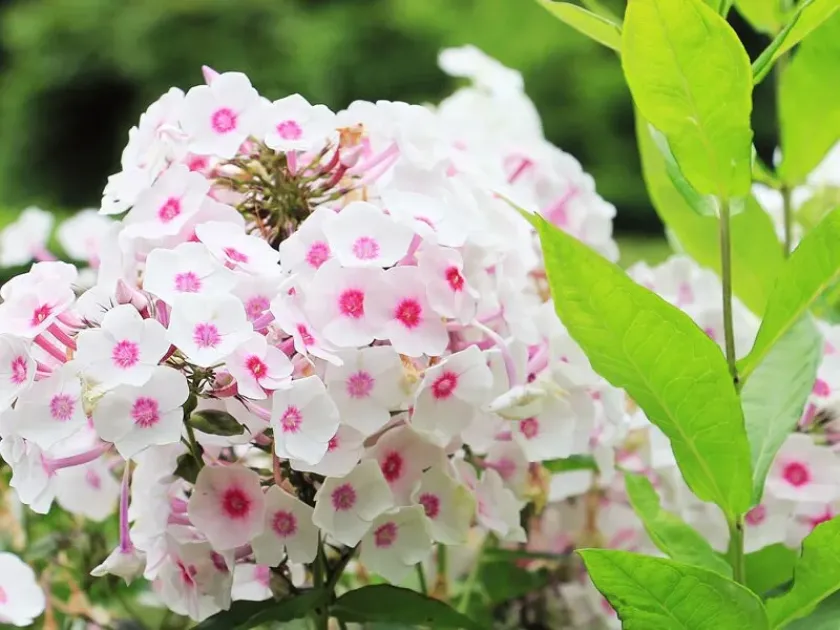
Description
Sowing dates
Phlox hybrids are popular perennial ornamental plants belonging to the Polemoniaceae family. In professional agriculture and horticulture, these plants are primarily propagated vegetatively, through division of clumps, cuttings, or layering, to ensure that the genetic traits of the specific hybrid are maintained.
The best time for dividing and transplanting mature phlox clumps is during the spring (April to May) or late summer (August to September). While less common, seed propagation is possible but requires a cold stratification process lasting between 30 and 45 days to break dormancy and ensure germination.
Phlox plants develop a dense root system that requires adequate space for optimal growth. It is recommended to maintain a planting distance of at least 40 to 50 centimeters between plants to ensure proper airflow, which is critical for reducing humidity around the foliage.
When transplanting into the open field, ensure the soil is moist and well-prepared. For autumn planting, it is crucial to complete the process well before the first hard frosts to allow the root system to establish itself properly in the new location.
Using root-stimulating agents during transplanting can significantly improve the success rate of young plants. Care should be taken to plant them at the correct depth, ensuring the root collar is buried only 3 to 5 centimeters below the soil surface.
Growing requirements
Phlox hybrids are moderately demanding regarding climate, preferring regions with reliable precipitation. Most varieties are frost-hardy but can be sensitive to rapid temperature fluctuations during the early spring months, which may damage emerging buds.
The ideal soil for phlox is fertile, loamy, and has a neutral or slightly acidic pH. Excellent drainage is essential, as waterlogged soil around the root zone is the most common cause of root rot and subsequent plant mortality in phlox cultivation.
These plants thrive in bright, indirect light. While they enjoy the sun, exposure to intense midday heat can cause the color of the petals to fade prematurely. Ideally, they should be placed in areas that offer partial shade during the hottest part of the day.
Consistent watering is necessary throughout the growing season, particularly during the budding and flowering phases. Drought stress leads to stunted blooms and the premature yellowing of lower leaves, which significantly impacts the aesthetic value of the planting.
A structured fertilization plan is vital for healthy growth. Applying organic matter like compost in the spring, followed by phosphorus and potassium-rich mineral fertilizers before flowering, supports strong stems and vibrant, long-lasting blossoms.
Main diseases and pests
Powdery mildew is the most prevalent fungal disease affecting phlox hybrids. It manifests as a white, dusty layer on the leaves, which can spread rapidly in humid conditions and poor air circulation, eventually weakening the plant.
Septoria leaf spot is another frequent concern, identified by small dark spots on the foliage that expand over time. If left untreated, it can lead to complete defoliation, which severely compromises the plant's overall health and vigor.
Pests such as nematodes, which attack roots and stems, and froghoppers, which feed on plant sap and cause leaf distortion, are significant threats. Effective management involves regular scouting and timely intervention with appropriate insecticides.
To reduce disease and pest pressure, it is essential to follow good garden hygiene practices, such as removing weeds, avoiding overcrowding, and ensuring the site has adequate ventilation to keep the foliage as dry as possible.
Chemical control should be employed only when necessary. Using broad-spectrum fungicides at the first sign of symptoms and targeting pests with specific insecticides based on local agricultural guidelines will help maintain the health of the hybrid crop.
Harvesting
The harvest and utilization of phlox hybrids are primarily focused on landscape design and cut flower production. For cut flowers, the optimal time for harvesting is when approximately 70 percent of the florets on the inflorescence have opened.
Harvesting is best performed during the early morning hours when the stems are fully hydrated. Placing cut stems immediately into clean water supplemented with flower preservatives or a small amount of sugar will significantly extend their vase life.
After the main flowering period, it is standard practice to prune the spent inflorescences. This prevents the plant from wasting energy on seed production and encourages the development of secondary shoots, sometimes allowing for a second bloom.
At the end of the growing season, a final prune is required, cutting the stems back to about 5 to 10 centimeters above the ground. This helps remove potential overwintering sites for fungal spores and pests.
In regions experiencing harsh winters, applying a layer of mulch, such as peat or well-rotted manure, over the base of the plant provides vital insulation, protecting the root system from deep soil freezing during cold spells.