
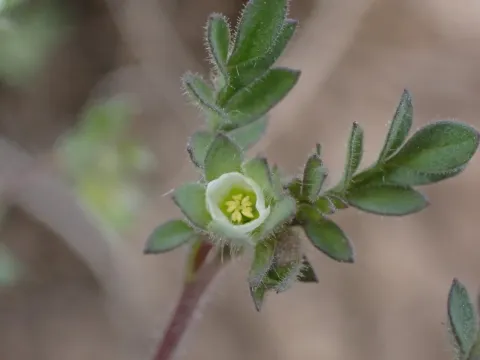
Polemonium micranthum
Polemonium micranthum
Polemonium micranthum, commonly known as the small-flowered Jacob's ladder, is an annual herbaceous plant belonging to the Polemoniaceae family. It is distinct from its perennial relatives due to its ephemeral life cycle and specific adaptation to arid western North American landscapes.
What the section contains
Polemonium micranthum
The cultivation of this species requires well-drained, sandy, or rocky soils. It thrives in open environments with full exposure to sunlight and is highly sensitive to soil compaction and waterlogging, which often lead to immediate failure of the root system.
Climatically, this plant prefers areas with mild springs and warm, dry summers. It is moderately tolerant of cold snaps in early spring but requires stable thermal conditions for optimal flower development and successful seed production, which is the primary objective of its cultivation.
Agricultural management should prioritize the preparation of a fine, level seedbed. Given the small size of the seeds, surface sowing or very light covering with substrate is recommended to facilitate proper germination without exhausting the embryo's energy reserves.
While not a traditional industrial crop, its cultivation is of interest in specialized horticultural sectors and biodiversity conservation projects. It serves as a study model for annual plant evolution within the Polemonium genus.
Pathogenic fungi, particularly Fusarium and Pythium species, represent the primary threat to Polemonium micranthum. These pathogens thrive in damp, poorly aerated conditions and can cause severe root and stem rot during the seedling stage.
Insect pests, including aphids and thrips, frequently target the succulent parts of the plant. Their feeding activity can stunt growth and transmit viral diseases, which significantly impact the vitality and reproductive success of the crop.
Weed management is vital throughout the early vegetation phase. Due to the species' relatively slow initial growth rate, it is easily outcompeted by aggressive weeds, necessitating mechanical weeding to ensure the crop receives sufficient sunlight and nutrients.
Maintaining proper spacing is a key preventative measure against diseases. High plant density encourages humidity buildup in the canopy, creating an environment favorable for the development of powdery mildew and other foliar diseases.
Crop rotation and field sanitation are essential to break the infection cycle. It is highly recommended to avoid planting Polemonium micranthum on land previously occupied by related solanaceous or other susceptible botanical species to prevent soil-borne pathogen accumulation.