
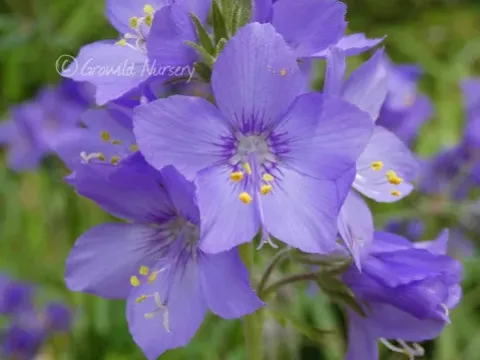
Polemonium kiushianum
Polemonium kiushianum
Sowing of Polemonium kiushianum is best performed in the autumn season directly into the soil to ensure natural stratification. For spring planting, seeds must undergo cold stratification at low temperatures for at least one month to break seed dormancy and increase germination rates.
What the section contains
Polemonium kiushianum
The seeds are notably small, requiring a shallow sowing depth of no more than 0.5 to 1 centimeter. Proper soil preparation, including fine crumbling and weed removal, is critical during the seeding stage to provide a stable environment for initial growth.
When using a greenhouse or nursery method, seeds are sown in early spring in a lightweight, sterile substrate. Seedlings are then transplanted into individual pots once they develop their first set of true leaves, ensuring that each plant has enough space for initial root development.
Transplanting into the permanent garden beds takes place in late spring after the risk of frost has completely passed. A spacing of 30 to 40 centimeters between plants is recommended to facilitate adequate air circulation and nutrient absorption.
Selecting a site with partial shade or filtered light is ideal for Polemonium kiushianum, especially in regions with intense sunlight. Proper light management ensures the plant avoids heat stress and maintains the quality of its foliage and root system.
Polemonium kiushianum, a member of the Polemoniaceae family, thrives in specific environments that mimic its native habitat. It requires fertile, well-draining soil that is rich in organic matter and maintains a neutral to slightly acidic pH level.
Adequate moisture is essential for this culture, particularly during the growing season. However, consistent drainage is vital, as the root system is susceptible to decay if exposed to stagnant water, especially in clay-heavy soil structures.
Organic fertilization using mature compost is recommended during land preparation to boost soil structure and microbial activity. Supplemental feeding with potassium-based fertilizers during the budding phase helps improve the plant's structural integrity and overall vigor.
Although the plant exhibits good winter hardiness, applying a layer of organic mulch around the base in late autumn serves as an effective protective barrier. This prevents soil heaving and protects the rhizomes from extreme temperature fluctuations during winter months.
Routine weeding and soil cultivation between rows are necessary to prevent nutrient competition and improve oxygen exchange for the roots. Managing the surrounding microclimate through proper irrigation schedules ensures the plant remains healthy throughout its development cycle.
Root rot represents the primary threat to Polemonium kiushianum, usually triggered by poor drainage or over-irrigation. Symptoms include yellowing leaves and a general decline in growth, requiring immediate adjustment of the watering regime and potential soil treatment.
Powdery mildew can affect the foliage in conditions with high humidity and limited airflow. To mitigate this, farmers should ensure adequate spacing between plants and utilize preventative biological fungicides to keep the leaves free from fungal buildup.
Aphids are common pests that target the tender stems and young foliage of the plant. Monitoring the undersides of leaves during the peak growing season allows for early intervention, often using insecticidal soaps to keep populations under control without chemical toxicity.
Slugs and snails often pose a challenge to young seedlings in moist environments. Implementing physical barriers, such as copper tape or crushed eggshells, or using safe bait traps, can effectively protect the plants from significant leaf damage during the early growth stages.
Root nematodes can cause significant damage by creating galls on the root system, inhibiting nutrient uptake. Practicing crop rotation is the most effective management strategy, ensuring that the crop is not grown in succession with other highly susceptible botanical families.