
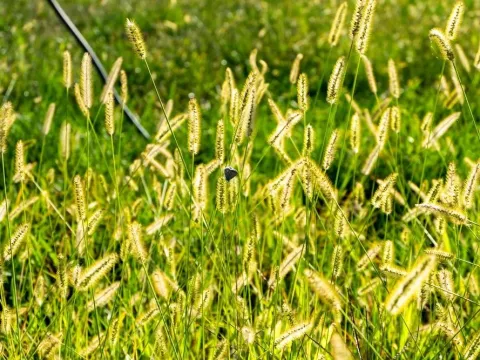
Setaria uniseta
Setaria uniseta
Setaria uniseta is a perennial grass belonging to the Poaceae family. It is recognized in agronomy as a resilient species that plays a significant role in improving forage quality in warm-climate agricultural systems.
What the section contains
Setaria uniseta
Native to Africa, the species is now found in various tropical and subtropical regions. It is highly valued for its ability to thrive in areas where other forage crops might struggle due to water scarcity or poor soil quality.
Botanically, the plant is characterized by a robust growth habit and a deep root system. Its adaptability allows it to persist on a wide range of soil types, including those with low nutrient status and moderate salinity, providing reliable biomass production.
The crop demands abundant sunlight and warm temperatures to reach its maximum productivity. It is frost-sensitive, which restricts its cultivation primarily to warmer ecological zones where the growing season is long and uninterrupted by extreme cold.
In terms of agricultural utility, Setaria uniseta is utilized primarily for grazing and hay production. It offers a favorable balance of fiber and crude protein, provided it is harvested before the plants reach full maturity and lignification.
Common agricultural threats include fungal infections such as rust and smut, which typically emerge when planting density is too high or environmental conditions favor excessive humidity around the leaf base.
Pest pressure often comes from aphids, leafhoppers, and various grass-feeding insects that can significantly reduce leaf area and overall stand vitality if left unmanaged during the early vegetative stages.
Weed management is critical during the establishment phase, as the young plants are slow to compete with vigorous invasive weeds, requiring careful field preparation and potential mechanical weeding.
Implementation of integrated pest management (IPM) strategies is recommended, focusing on maintaining balanced soil fertility and avoiding overcrowding to ensure adequate air circulation throughout the crop canopy.
Regular field scouting is essential to identify symptoms of stress or disease at an early stage. Maintaining high standards of agronomic practice is the best preventive measure against the majority of threats facing this crop.