
Shibataea
Shibataea
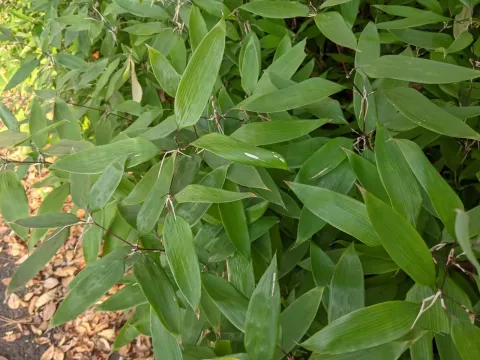
Shibataea is a genus of perennial plants in the grass family (Poaceae), known as a group of ornamental bamboos. These plants are distinguished by their compact growth habit and unique, broad, oval-shaped leaves, which set them apart from traditional tall bamboo species.
What the section contains

Shibataea
Originating from subtropical regions of China and Japan, Shibataea thrives in humid, shaded environments. In cultivation, it performs best in locations that mimic the understory of a forest, providing protection from harsh midday sun and drying winds.
The plant requires fertile, well-drained soil with a slightly acidic to neutral pH. While it appreciates constant moisture, it is highly susceptible to root rot, making effective drainage essential, especially in areas with heavy clay soils that retain excess water.
Regarding climate, Shibataea is considered moderately hardy, typically surviving temperatures down to -15°C. In colder regions, providing a thick layer of organic mulch around the base is critical to protect the rhizomes from freezing temperatures during winter.
Because of its relatively slow-spreading nature, Shibataea is highly valued in landscape design. It is frequently used for creating dense, low-maintenance hedges, garden edging, or as an evergreen groundcover in Japanese-style gardens and decorative borders.
Fungal diseases such as rust and leaf spot are the most common issues for Shibataea, particularly during periods of high humidity. Proper plant spacing is vital to ensure adequate air circulation and to reduce the likelihood of moisture buildup on the foliage.
Pests such as spider mites and aphids are known to feed on the tender young shoots. Regular monitoring, especially during the spring growth flush, allows for early intervention with insecticidal soaps or natural neem oil treatments.
Soil-borne pests like wireworms can occasionally damage the rhizome system. Maintaining a healthy soil ecosystem and avoiding excessive use of harsh chemicals helps to keep the population of beneficial soil insects that suppress such pests.
Physiological stress, often caused by improper watering or insufficient nutrients, can weaken the plant's natural defenses. An unbalanced supply of nitrogen, phosphorus, and potassium can lead to leaf yellowing and an increased vulnerability to various pathogens.
Consistent care, including seasonal fertilization and timely removal of dead or damaged culms, is the best strategy to maintain the aesthetic appeal of Shibataea and prevent the onset of common plant ailments.